
sTra,TöS,PHerik Mi.KRo.Bio,Mechä.Ni,KaL ,LiF3

13260184_10154169654258787_3736652362278489396_n


http://motherboard.vice.com/read/this-scientist-says-he-keeps-finding-aliens-in-the-stratosphere

Th-is Sci-en,ti,st SA.ys He Ke_eps Fin:ding Ali:ens (in) the Stra-to’sphere

Written by

JASON KOEBLER

It’s not easy convincing the world you’ve found aliens. But that’s what one British professor says he’s done, over and over again. His latest proof, he tells me, is his strongest yet. Should we take him seriously?

In fall of 2013, Milton Wainwright, a researcher at the University of Sheffield in the United Kingdom, made international headlines when he claimed that microorganisms he found in the stratosphere were not of this world. The organisms are believed to come from a class of algae called diatoms, were collected roughly 16 miles above the Earth’s surface using a balloon, and, according to Wainwright, have been raining down on the Earth, carried by meteorites, for perhaps many millennia.

The story goes something like this. Wainwright found these organisms 16 miles above Earth. He says that’s too high for any life from Earth to float in a jet stream, and he says the organisms are too heavy to get up that high without a recent volcanic blast. He says there were no recent blasts before the expedition, and, furthermore, the collection apparatus showed tiny divots in it, suggesting that these organisms hit the tin with some sort of speed. His conclusion, then, is that these organisms came from space.

“This we think is a deflated balloon-like biological entity. Perhaps when inflated, it aided flotation in the atmosphere or sea of another world,” Wainwright said. Image: Milton Wainwright

While the we-found-aliens headline played well among the tabloids of the world, Wainwright’s discovery was unceremoniously tossed aside by science journalists.

“The methodology was sloppy, the conclusions were not at all supported by the evidence, and heck,he hadn’t even established that the rocks they found were in fact meteorites!,” Slate’s Phil Plait wrote.

“All the time when you walk outside, you are being pelted with organisms that come from space”

Plait isn’t wrong—the original evidence was flimsy, and there was no shortage of scientists standing in line ready to say so. But few said he was outright wrong. Many who spoke out at the time said that, while there wasn’t enough evidence to call these things aliens, panspermia—the idea that alien life may regularly travel to Earth from space—isn’t entirely nuts.

Now, Wainwright has made another claim. He says he has found these organisms 25 miles above the Earth, that they test positive for DNA, and that they have masses that are “six times bigger than the size limit of a particle which can be elevated from Earth to this height, even following a violent volcanic eruption.”

Wainwright announced the find in an email to some of his students at Sheffield, who naturally, posted the thing on Reddit.

DNA-positive potential alien. Image: Milton Wainwright

So, I called Wainwright to hear what he has to say. Let’s make it clear now—I have no idea if Wainwright has, indeed, found aliens. His first paper was published in a somewhat dubious journal, and it certainly didn’t contain “extraordinary proof” of alien life, which is what one NASA scientist said he would need in order to take Wainwright’s claims seriously.

“These organisms are biological, have a definite structure, and are not related to organisms on Earth. We sent balloons and a sampler and found no pollen or grass, nothing up there to contaminate, it was completely pristine,” Wainwright told me. “There are impact events on the sampler. They make craters on the sampler—if they come up from Earth, they would be coming against gravity.”

“For these reasons, we think they are coming from space,” he added. “All the time when you walk outside, you are being pelted with organisms that come from space.”

Wainwright says his newest paper has been accepted in an “international astrobiology journal” but hasn’t said which one and hasn’t said when the new findings will be published. He seemed taken aback when I emailed him about it, and wasn’t quite ready to discuss the new findings, but agreed to talk because the email was already on the internet.

Wainwright’s students preparing a balloon to go to the stratosphere. Image: Milton Wainwright

Take this paragraph with many grains of salt. But, hypothetically, Wainwright’s discovery would fundamentally change much of what we know about the origins of life on Earth and about biology in general. He says comets could seed life throughout the universe, and could, in fact, be the origin of life altogether. He says that, instead of a continuous evolution from a couple cells millions of years ago, there could be many evolutionary trees. No common ancestor, just a bunch of different common ancestors that landed here at different times.

“When I ask why they don’t believe it, they say, ‘because it can’t be true'”

Wainwright says he knows how people talk about him and he knows that few believe him. But he’s still plodding along.

“NASA is going to have to show it for people to ultimately believe it,” Wainwright said. “If NASA printed it, people would believe it. All we can do is keep putting it out, keep publishing, hope someone will look into it. It seems unbelievable.”

The thing is, maybe NASA will do it. NASA has a nascent balloon science division, and it is increasingly doing experiments in the stratosphere. And scientists have long been interested in—and have reported finding—organisms in the stratosphere. But many of those discoveries have been ignored or attributed to contaminated rockets carrying life from Earth (and back down, where it is “discovered”).

In the meantime, Wainwright is continuing to send balloons into the atmosphere. He’s hoping to run some DNA tests in the future and wants his evidence to be as rock-solid as possible.

“All we can do is keep going, we’ve got another 10 launches going out,” he said. “I give these talks at meetings and no one tells us where we’re going wrong. When I ask why they don’t believe it, they say, ‘because it can’t be true.’ There’s been a lot of complete avoidance of the issues.”

On that, Wainwright isn’t quite right. Lots of scientists have said why they’re skeptical—they’ve posited how the microbes could reach that high, they’ve said what, specifically, they need to see before they believe it’s alien life (amino acids that are unlike those found on Earth). Without seeing his paper, it’s impossible to take his newest claim any more seriously than the first one.

But still, it seems likely that Wainwright has found something up there. No scientists or journalists have suggested that he’s lying about actually finding the organisms. And that, alone, is notable. Anything that manages to survive 25 miles above the Earth’s surface is surely worth further study.

v


PET PLàsTïK. PöLLuTiöN. mOLE,KUL.àR. bre!AKER.

13315545_10154171458953787_1360659719280017154_n

http://www.theguardian.com/environment/2016/mar/10/could-a-new-plastic-eating-bacteria-help-combat-this-pollution-scourge

Nature has begun to fight back against the vast piles of filth dumped into its soils, rivers and oceans by evolving a plastic-eating bacteria – the first known to science.

In a report published in the journal Science, a team of Japanese researchers described a species of bacteria that can break the molecular bonds of one of the world’s most-used plastics – polyethylene terephthalate, also known as PET or polyester.

The Japanese research team sifted through hundreds of samples of PET pollution before finding a colony of organisms using the plastic as a food source.

Further tests found the bacteria almost completely degraded low-quality plastic within six weeks. This was voracious when compared to other biological agents; including a related bacteria, leaf compost and a fungus enzyme recently found to have an appetite for PET.

“This is the first rigorous study – it appears to be very carefully done – that I have seen that shows plastic being hydrolyzed [broken down] by bacteria,” said Dr Tracy Mincer, a researcher at Woods Hole Oceanographic Institution.

The molecules that form PET are bonded very strongly, said Prof Uwe Bornscheuer in an accompanying comment piece in Science. “Until recently, no organisms were known to be able to decompose it.”

In a Gaian twist, initial genetic examination revealed the bacteria, namedIdeonella sakaiensis 201-F6, may have evolved enzymes specifically capable of breaking down PET in response to the accumulation of the plastic in the environment in the past 70 years.

Such rapid evolution was possible, said Enzo Palombo, a professor of microbiology at Swinburne University, given that microbes have an extraordinary ability to adapt to their surroundings. “If you put a bacteria in a situation where they’ve only got one food source to consume, over time they will adapt to do that,” he said.

“I think we are seeing how nature can surprise us and in the end the resiliency of nature itself,” added Mincer.

The bacteria took longer to eat away highly crystallised PET, which is used in plastic bottles. That means the enzymes and processes would need refinement before they could be useful for industrial recycling or pollution clean-up.

“It’s difficult to break down highly crystallised PET,” said Prof Kenji Miyamoto from Keio University, one of the authors of the study. “Our research results are just the initiation for the application. We have to work on so many issues needed for various applications. It takes a long time,” he said.

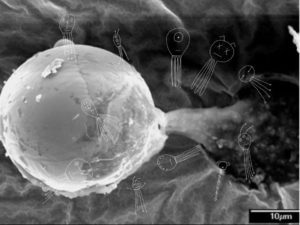
Electron microscope image of a degraded PET film surface after washing out adherent cells. The inset shows intact PET film.
 Electron microscope image of a degraded PET film surface after washing out adherent cells. The inset shows intact PET film. Photograph: Science Journal, Yoshida et. al.

A third of all plastics end up in the environment and 8m tonnes end up in the ocean every year, creating vast accumulations of life-choking rubbish.

PET makes up almost one-sixth of the world’s annual plastic production of 311m tons. Despite PET being one of the more commonly recycled plastics, the World Economic Forum (WEF) reports that only just over half is ever collected for recycling and far less actually ends up being reused.

Advances in biodegradable plastics and recycling offer hope for the future, said Bornscheuer, “but [this] does not help to get rid of the plastics already in the environment”.

However the potential applications of the discovery remain unclear. The most obvious use would be as a biological agent in nature, said Palombo. Bacteria could be sprayed on the huge floating trash heaps building up in the oceans. This method is most notably employed to combat oil spills.

This particular bacteria would not be useful for this process as it only consumes PET, which is too dense to float on water. But Bornscheuer said the discovery could open the door to the discovery or manufacture of biological agents able to break down other plastics.

Palombo said the discovery suggested that other bacteria may have already evolved to do this job and simply needed to be found.

“I would not be surprised if samples of ocean plastics contained microbes that are happily growing on this material and could be isolated in the same manner,” he said.

But Mincer said breaking down ocean rubbish came with dangers of its own.Plastics often contain additives that can be toxic when released. WEF estimates that the 150m tonnes of plastic currently in the ocean contain roughly 23m tonnes of additives.

“Plastic debris may have been less toxic in the whole unhydrolyzed form where it would ultimately have been buried in the sediments on a geological timescale,” said Mincer.

Beyond dealing with the plastic already fouling up the environment, the bacteria could potentially be used in industrial recycling processes.

“Certainly, the use of these microbes or enzymes could play a role in remediation of plastic in a controlled reactor,” said Mincer.

Miyamoto’s team suggested that the environmentally-benign constituents left behind by the bacteria could be the same ones from which the plastic is formed. If this were true and a process could be developed to isolate them, Bornscheuer said: “This could provide huge savings in the production of new polymer without the need for petrol-based starting materials.” According to the WEF, 6% of global oil production is devoted to the production of plastics.

But the plastics industry said the potential for a new biological process to replace or augment the current mechanical recycling process was very small.

“PET is 100% recyclable,” said Mike Neal, the chairman of the Committee of PET Manufacturers in Europe. “I expect that a biodegradation system would require a similar engineering process to chemical depolymerisation and as such is unlikely to be economically viable,” he said.

El Prin-CiPîö de La FöRMa ((( 3VôLûCîôN-Muta-CîöN ))) Sci:EnTi-StS un.VeiL :N3W Tr33 Of Li.Feee

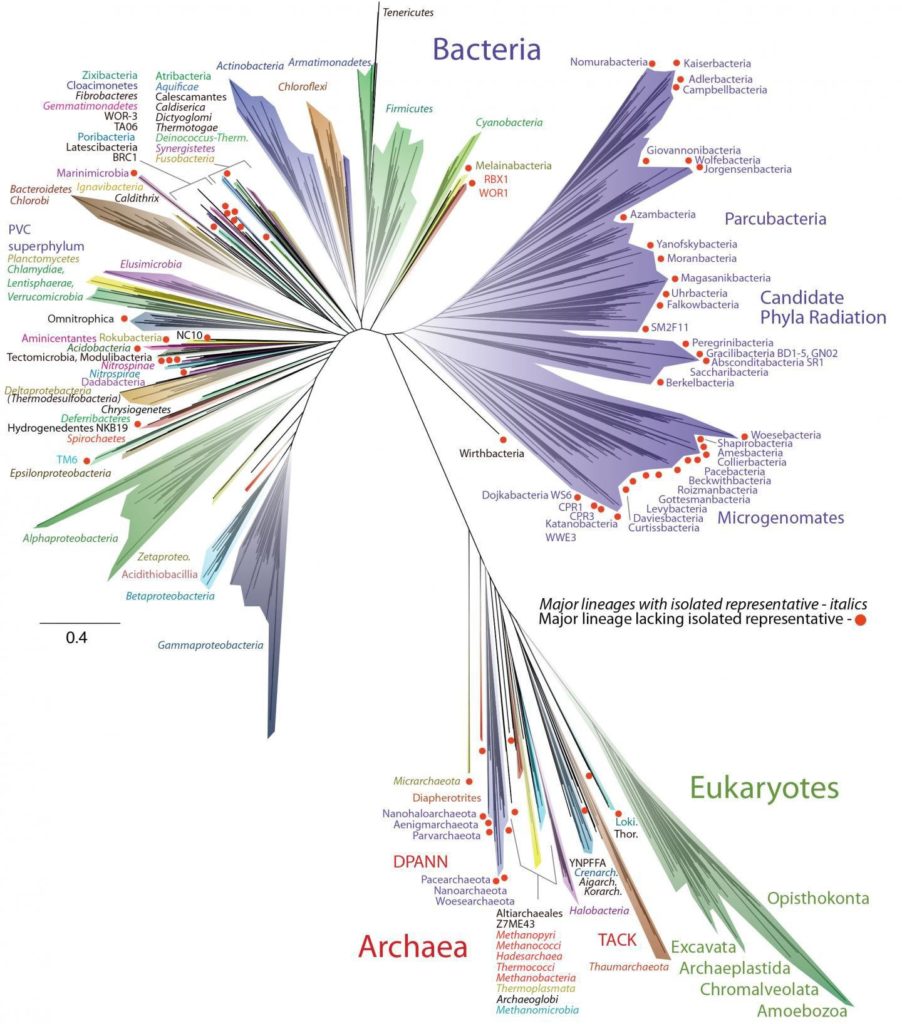
A team of scientists unveiled a new tree of life on Monday, a diagram outlining the evolution of all living things. The researchers found that bacteria make up most of life’s branches. And they found that much of that diversity has been waiting in plain sight to be discovered, dwelling in river mud and meadow soils.

“It is a momentous discovery — an entire continent of life-forms,” said Eugene V. Koonin of the National Center for Biotechnology Information, who was not involved in the study.

The study was published in the journal Nature Microbiology.

In his 1859 book “On the Origin of Species,” Charles Darwin envisioned evolution like a branching tree. The “great Tree of Life,” he said, “fills with its dead and broken branches the crust of the earth, and covers the surface with its ever branching and beautiful ramifications.”

Ever since, biologists have sought to draw the tree of life. The invention of DNA sequencing revolutionized that project, because scientists could find the relationship among species encoded in their genes.

In the 1970s, Carl Woese of the University of Illinois and his colleagues published the first “universal tree of life” based on this approach. They presented the tree as three great trunks.

Our own trunk, known as eukaryotes, includes animals, plants, fungi and protozoans. A second trunk included many familiar bacteria like Escherichia coli.

The third trunk that Woese and his colleagues identified included little-known microbes that live in extreme places like hot springs and oxygen-free wetlands. Woese and his colleagues called this third trunk Archaea.

Photo

The new tree of life that researchers published on Monday. It shows that much of Earth’s biodiversity is bacteria, top, half of which includes “candidate phyla radiation” that are still waiting to be discovered. Humans are in the bottom branch of eukaryotes.CreditJill Banfield/UC Berkeley, Laura Hug/University of Waterloo

Scientists who wanted to add new species to this tree of life have faced a daunting challenge: They do not know how to grow the vast majority of single-celled organisms in their laboratories.

A number of researchers have developed a way to get around that. They simply pull pieces of DNA out of the environment and piece them together.

In recent years, Jillian F. Banfield of the University of California, Berkeley and her colleagues have been gathering DNA from many environments, like California meadows and deep sea vents. They have been assembling the genomes of hundreds of new microbial species.

The scientists were so busy reconstructing the new genomes that they did not know how these species might fit on the tree of life. “We never really put the whole thing together,” Dr. Banfield said.

Recently, Dr. Banfield and her colleagues decided it was time to redraw the tree.

They selected more than 3,000 species to study, bringing together a representative sample of life’s diversity. “We wanted to be as comprehensive as possible,” said Laura A. Hug, an author of the new study and a biologist at the University of Waterloo in Canada.

The researchers studied DNA from 2,072 known species, along with the DNA from 1,011 species newly discovered by Dr. Banfield and her colleagues.

The scientists needed a supercomputer to evaluate a vast number of possible trees. Eventually, they found one best supported by the evidence.

It’s a humbling thing to behold. All the eukaryotes, from humans to flowers to amoebae, fit on a slender twig. The new study supported previous findings that eukaryotes and archaea are closely related. But overshadowing those lineages is a sprawling menagerie of bacteria.

Remarkably, the scientists didn’t have to go to extreme places to find many of their new lineages. “Meadow soil is one of the most microbially complex environments on the planet,” Dr. Hug said.

Another new feature of the tree is a single, large branch that splits off near the base. The bacteria in this group tend to be small in size and have a simple metabolism.

Dr. Banfield speculated that they got their start as simple life-forms in the first chapters in the history of life. They have stuck with that winning formula ever since.

“This is maybe an early evolving group,” Dr. Banfield said. “Their advantage is just being around for a really long time.”

Brian P. Hedlund, a microbiologist at the University of Nevada, Las Vegas who was not involved in the new study, said that one of the most striking results of the study was that the tree of life was dominated by species that scientists have never been able to see or grow in their labs. “Most of life is hiding under our noses,” he said.

Patrick Forterre, an evolutionary biologist at the Pasteur Institute in France, agreed that bacteria probably make up much of life’s diversity. But he had concerns about how Dr. Banfield and her colleague built their tree. He argued that genomes assembled from DNA fragments could actually be chimeras, made up of genes from different species. “It’s a real problem,” he said.

Dr. Banfield predicted that the bacterial branches of the tree of life may not change much in years to come. “We’re starting to see the same things over and over again,” she said.

Instead, Dr. Banfield said she expected new branches to be discovered for eukaryotes, especially for tiny species such as microscopic fungi. “That’s where I think the next big advance might be found,” Dr. Banfield said.

Dr. Hug disagreed that scientists were done with bacteria. “I’m less convinced we’re hitting a plateau,” she said. “There are a lot of environments still to survey.”

Correction: April 18, 2016
A picture caption on Tuesday with an article about a new tree of life published by scientists referred incorrectly to Methanosarcina, the organism shown. It belongs to the domain archaea, not bacteria.

Pa.Ra.DOxi.KaL Kris:StaLs . Ba.FF-LE PHys.ics(Ts) ToPo.Lo:Gi.Kal . ins.ULa:Tor is A Ho-T , To.PiC


SmB6_900Kalentura

Sour_ce

NATALIE WOLCHOVER SCIENCE DATE OF PUBLICATION: 07.12.15.
07.12.15
TIME OF PUBLICATION: 7:00 AM.
7:00 AM
PARADOXICAL CRYSTAL BAFFLES PHYSICISTS

Interactions between electrons inside samarium hexaboride appear to be giving rise to an exotic quantum behavior new to researchers.Click to Open Overlay Gallery
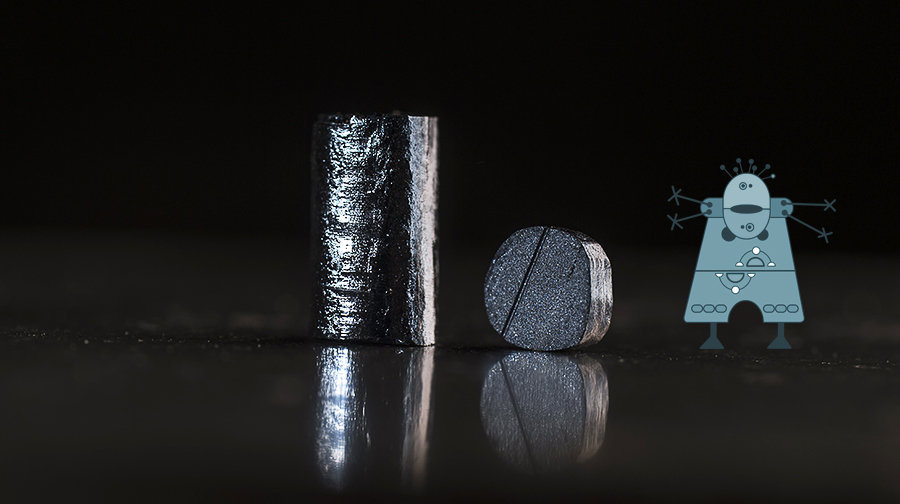
Interactions between electrons inside samarium hexaboride appear to be giving rise to an exotic quantum behavior new to researchers. ANDREW TESTA FOR QUANTA MAGAZINE
IN A DECEPTIVELY drab black crystal, physicists have stumbled upon a baffling behavior, one that appears to blur the line between the properties of metals, in which electrons flow freely, and those of insulators, in which electrons are effectively stuck in place. The crystal exhibits hallmarks of both simultaneously.

QUANTA MAGAZINE

ABOUT
Original story reprinted with permission from Quanta Magazine, an editorially independent division of SimonsFoundation.org whose mission is to enhance public understanding of science by covering research developments and trends in mathematics and the physical and life sciences.

“This is a big shock,” said Suchitra Sebastian, a condensed matter physicist at the University of Cambridge whose findings appeared this month in an advance online edition of the journal Science. Insulators and metals are essentially opposites, she said. “But somehow, it’s a material that’s both. It’s contrary to everything that we know.”

The material, a much-studied compound called samarium hexaboride or SmB6, is an insulator at very low temperatures, meaning it resists the flow of electricity. Its resistance implies that electrons (the building blocks of electric currents) cannot move through the crystal more than an atom’s width in any direction. And yet, Sebastian and her collaborators observed electrons traversing orbits millions of atoms in diameter inside the crystal in response to a magnetic field—a mobility that is only expected in materials that conduct electricity. Calling to mind the famous wave-particle duality of quantum mechanics, the new evidence suggests SmB6 might be neither a textbook metal nor an insulator, Sebastian said, but “something more complicated that we don’t know how to imagine.”

“It is just a magnificent paradox,” said Jan Zaanen, a condensed matter theorist at Leiden University in the Netherlands. “On the basis of established wisdoms this cannot possibly happen, and henceforth completely new physics should be at work.”

It is too soon to tell what, if anything, this “new physics” will be good for, but physicists like Victor Galitski, of the University of Maryland, College Park, say it is well worth the effort to find out. “Oftentimes,” he said, “big discoveries are really puzzling things, like superconductivity.” That phenomenon, discovered in 1911, took nearly half a century to understand, and it now generates the world’s most powerful magnets, such as those that accelerate particles through the 17-mile tunnel of the Large Hadron Collider in Switzerland.
Theorists have already begun to venture guesses as to what might be going on inside SmB6. One promising approach models the material as a higher-dimensional black hole. But no theory yet captures the whole story. “I do not think that there is any remotely credible hypothesis proposed at this moment in time,” Zaanen said.

SmB6 has resisted classification since Soviet scientists first studied its properties in the early 1960s, followed by better-known experiments at Bell Labs.

Counting up the electrons in the orbital shells that surround its samarium and boron nuclei indicates that roughly half an electron should be left over, on average, per samarium nucleus (a fraction, because the nuclei have “mixed valence,” or alternating numbers of orbiting electrons). These “conduction electrons” should flow through the material like water flowing through a pipe, and thus, SmB6 should be a metal. “That’s the idea people had back when I started working on this problem as a young guy, around 1975,” said Jim Allen, an experimental physicist at the University of Michigan in Ann Arbor who has studied SmB6 on and off since then.

But while samarium hexaboride does conduct electricity at room temperature, things get strange as it cools. The crystal is what physicists call a “strongly correlated” material; its electrons acutely feel one another’s effects, causing them to lock together into an emergent, collective behavior. Whereas strong correlations in certain superconductors cause the electrical resistance to drop to zero at low temperatures, in the case of SmB6, the electrons seem to gum up when cooled, and the material behaves as an insulator.

The crystal structure of samarium hexaboride, or SmB6.Click to Open Overlay Gallery
The crystal structure of samarium hexaboride, or SmB6. OLENA SHMAHALO/QUANTA MAGAZINE. SOURCE: MIN-FENG
The effect stems from the 5.5 electrons, on average, that occupy an uncomfortably tight shell encasing each samarium nucleus. These close-knit electrons mutually repel one another, and “that essentially tells the electrons, ‘Don’t move around,’” Allen explained. The last half electron trapped in each of these shells has a complex relationship with its other, freer, conducting half. Below minus 223 degrees Celsius, the conduction electrons in SmB6 are thought to “hybridize” with these trapped electrons, forming a new, hybrid orbit around the samarium nuclei. Experts initially believed the crystal turns into an insulator because none of the electrons in this hybrid orbit can move.

“The resistivity shows it’s an insulator; photoemission shows it’s a good insulator; optical absorption shows it’s a good insulator; neutron scattering shows it’s an insulator,” said Lu Li, a condensed matter physicist at the University of Michigan whose experimental group also studies SmB6.

But this is no garden-variety insulator. Not only does its insulating behavior arise from strong correlations between its electrons, but in the past five years, mounting evidence has suggested that it is a “topological insulator” at low temperatures, a material that resists the flow of electricity through its three-dimensional bulk, while conducting electricity along its two-dimensional surfaces. Topological insulators have become one of the hottest topics in condensed matter physics since their 2007 discovery because of their potential use in quantum computers and other novel devices. And yet, SmB6 does not neatly fit that category either.

Early last year, hoping to add to the evidence that SmB6 is a topological insulator, Sebastian and her student Beng Tan visited the National High Magnetic Field Laboratory, or MagLab, at Los Alamos National Laboratory in New Mexico and attempted to measure wavelike undulations called “quantum oscillations” in the electrical resistance of their crystal samples. The rate of quantum oscillations and how they vary as the sample is rotated can be used to map out the “Fermi surface” of the crystal, a signature property “which is sort of the geometry of how the electrons flow through the material,” Sebastian explained.
Sebastian and Tan didn’t see any quantum oscillations in New Mexico, however. Scrambling to salvage Tan’s doctoral project, they measured a less interesting property instead, and, to check these results, booked time at another MagLab location, in Tallahassee, Fla.

In Florida, Sebastian and Tan noticed that their measurement probe had an extra slot with a diving-board-style cantilever on it, which could be used to measure quantum oscillations in the magnetization of their crystals. After failing to see quantum oscillations in the electrical resistance, they hadn’t planned on looking for them in a different material property—but why not? “I was thinking, fine, let’s stick a sample on,” Sebastian said. They cooled down their samples, turned on the magnetic field, and started measuring. Suddenly they realized the signal coming from the diving board was oscillating.

“We were like, wait—what?” she said.

In that experiment and subsequent ones at MagLab, they measured quantum oscillations deep in the interior of their crystal samples. The data translated into a huge, three-dimensional Fermi surface, representing electrons circulating throughout the material in the presence of the magnetic field, as conduction electrons do in a metal. Judging by its Fermi surface, electrons in the interior of SmB6 travel 1 million times farther than its electrical resistance would suggest is possible.

“The Fermi surface is like that in copper; it’s like that in silver; it’s like that in gold,” said Li, whose group reported surface-level quantum oscillations in Science in December. “Not just metals… these are very good metals.”

Somehow, at low temperatures and in the presence of a magnetic field, the strongly correlated electrons in SmB6 can move like those in the most conductive metals, even though they cannot conduct electricity. How can the crystal behave like both a metal and an insulator?

The ultra-pure SmB6 crystals used in the new experiments were grown in an optical furnace heated to 3,000 degrees Celsius at the University of Warwick in England.Click to Open Overlay Gallery
The ultra-pure SmB6 crystals used in the new experiments were grown in an optical furnace heated to 3,000 degrees Celsius at the University of Warwick in England. COURTESY OF GEETHA BALAKRISHNAN
Contamination of the samples might seem likely, if not for another surprising discovery: Not only did Sebastian, Tan and their collaborators find quantum oscillations in an insulator, but the form of the oscillations—namely, how quickly they grew in amplitude as the temperature decreased—greatly diverged from the predictions of a universal formula for conventional metals. Every metal ever tested has conformed to this Lifshitz-Kosevich formula (named for Arnold Kosevich and Evgeny Lifshitz), suggesting that the quantum oscillations in SmB6 come from an entirely new physical phenomenon. “If it were coming from something trivial, like inclusions of some other materials, it would have followed the Lifshitz-Kosevich formula,” Galitski said. “So I think it’s a real effect.”

Amazingly, the observed deviation from the Lifshitz-Kosevich formula was presaged in 2010 by Sean Hartnoll and Diego Hofman, both then at Harvard University, in a paper that recast strongly correlated materials as higher-dimensional black holes, those infinitely steep curves in space-time predicted by Albert Einstein. In their paper, Hartnoll and Hofman investigated the effect of strong correlations in metals by calculating corresponding properties of their simpler black hole model—specifically, how long an electron could orbit the black hole before falling in. “I had calculated what would replace this Lifshitz-Kosevich formula in more exotic metals,” said Hartnoll, who is now at Stanford University. “And indeed it seems that the form [Sebastian] has found can be matched with this formula that I derived.”

This generalized Lifshitz-Kosevich formula holds for a class of metallike states of matter that includes conventional metals, Hartnoll says. But even if SmB6 is another member of this “generalized metal” class, this still does not explain why it acts as an insulator. Other theorists are attempting to model the material with more traditional mathematical machinery. Some say its electrons may be rapidly vacillating between insulating and conducting states in some novel quantum fashion.

Theorists are busy theorizing, and Li and his collaborators are preparing to try and replicate Sebastian’s results with their own samples of SmB6. The chance discovery in Florida was only the first step. Now to resolve the paradox.

Original story reprinted with permission from Quanta Magazine, an editorially independent publication of the Simons Foundation whose mission is to enhance public understanding of science by covering research developments and trends in mathematics and the physical and life sciences.

,Hue:lla, De. La,MA>No De,, Un Ni(Ñ@) Des.Pue;De JugAr,Se Tra>NZ For.MA en UnI.VErZo, De MI:;Cro -ORGAniS,MOZ Kul;TiVA-DoZ

Screen Shot 2015-06-09 at 11.16.12 AM

As a living organism, the human body is home to millions of microbial life forms and bacteria. Without microscopic vision, we can’t see them unless aided by technology. If you’re the squeamish sort, this is probably for the best.

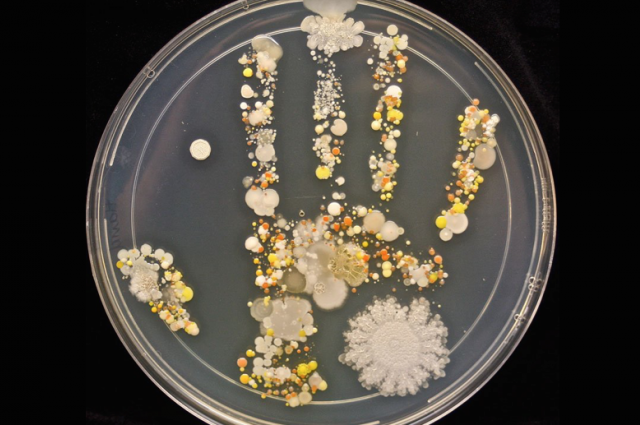
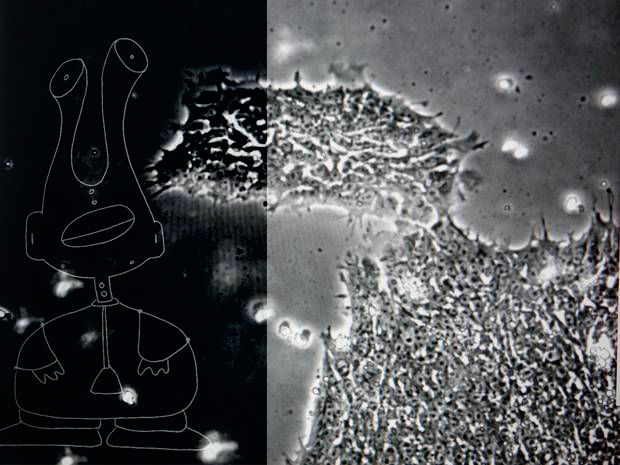
The handprint in the petri dish above is causing quite a stir on the Internet and it belongs to microbiology lab technician Tasha Sturm’s 8-year-old son.

“It’s partly to show that there are microbes everywhere,” said Sturm to TODAY.

Posted on Microbe World, the print shows the different growths cultivated from his hand after playing outdoors. Allowed to incubate for several days, there are yeasts, fungi and bacteria.

Sturm will conduct further tests to determine what exactly the various growths are. She believes the large white circle in the bottom-right corner (close-up shown below) to be Bacillus, which is often found in dirt. She also notes that the white spots may be Staphylococcus and the yellow and orange spots could be yeast.


Close-up of the round blob in the bottom-right corner of the handprint / Tasha Sturm

Sturm regularly engages her kids in science experiments at home, which has led to some interesting investigations, sometimes including the family dog. After petting the dog, her son did the same process of placing his hand in a sterile petri dish and incubating the dish at body temperature for a day, and then room temperature for nearly a week. His reaction to the results: “He said, ‘That’s cool.’ And then my daughter said, ‘Let’s do the dog’s nose, let’s do the paw, let’s do the cat’s tail,'” Sturm recalled.

It’s important to remember that the vast majority of this organisms will be harmless, or even beneficial to human health. We are constantly coated in a variety of different microorganisms, no matter how clean you are, and our skin does a great job of keeping out the nasty ones.

Tar-Di/Grade Meet PAr:Ty:CiPIo ::: .. Wa-TEr Be:Ar Ge:Nes aR3 · Pri:MAri-Ly Of. BakTE:RiaL (O)RiGin

tardigrade-1024x795

Source:::: http://news.meta.com/2015/11/23/waterbear/

PNAS: The tardigrade (water bear), the only animal that can survive in the vacuum of space, has the most foreign DNA of any animal.

Environment & Ecology, Genetics & Genomics – November 23rd, 2015 –

The tardigrade, also known as the water bear, is renowned for many reasons. The nearly indestructible micro-organism is known to have the capacity to survive extreme temperatures (-272C to 151C), and is the only animal able to survive in the vacuum of space.

Today, with the publication of its genome in PNAS, the humble water bear can add another item to its exhaustive list of superlatives. Sequencing of the genome, performed by a team of researchers at the University of North Carolina at Chapel Hill, has revealed that a massive portion of the tiny organism’s genome is of foreign origin. Indeed, nearly 17.5% of the water bear’s genome is comprised of foreign DNA, translating to a genetic complement of approximately 6,000 genes. These genes are primarily of bacterial origin, though genes from fungi and plants have also been identified.

Horizontal gene transfer, defined as the shifting of genetic material materially (thus horizontally) between organisms is widespread in the microscopic world. In humans, however, the process does occur, but in a limited fashion, and via transposons and viruses. Other microscopic animals are also known to have large complements of foreign genes.

Until today, the tiny rotifer was believed to have the greatest complement of foreign DNA of any microscopic organism. Surprisingly, that genetic complement constitutes only half of what has been identified in the newly published tardigrade genome.

The authors of the newly published work have proposed a method by which this extremely extensive gene transfer may have occurred. Tardigrades have long been known to undergo, and survive, the process of desiccation (extreme drying out). The authors therefore postulated that during this drying out process and the subsequent rehydration, the tardigrade’s genome may have undergone significant sheering and breakage, resulting in a general loss of integrity and leakiness experienced by the water bear’s nucleus. In turn, this compromised nuclear integrity may have enabled foreign genetic material to readily integrate the genome, in much the same way as scientists perform gene transfer through the process of electroporation.

For now, the tardigrade has a dual claim to fame, being the only known animal to survive the vacuum of space, and being the animal with the largest genetic complement. Only with the study of other micro-organisms will we be able to validate if the humble tardigrade maintains its two, current, great claims to fame.

Source: Thomas C. Boothby, Jennifer R. Tenlen, Frank W. Smith, Jeremy R. Wang, Kiera A. Patanella, Erin Osborne Nishimura, Sophia C. Tintori, Qing Li, Corbin D. Jones, Mark Yandell, David N. Messina, Jarret Glasscock, and Bob Goldstein Evidence for extensive horizontal gene transfer from the draft genome of a tardigrade PNAS 2015 ; published ahead of print November 23, 2015, doi:10.1073/pnas.1510461112

QuanTuM, (tELe)TRaNS:pOR:TATion Of Micro:OrgA,NisimS

1-physicistsprBAkteria

So:uR_Ce : http://phys.org/news/2016-01-physicists-scheme-teleport-memory.html

Physicists propose the first scheme to teleport the memory of an organism

January 14, 2016
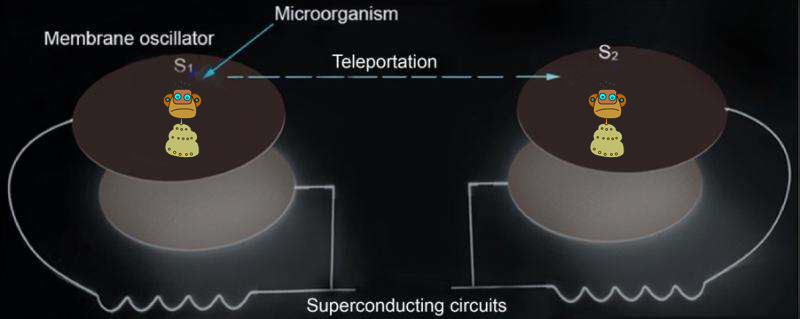
Quantum teleportation between two microorganisms is shown. The internal state (an electron spin) or the center-of-mass motion state of a microorganism on an electromechanical oscillator can be teleported to a remote microorganism on another …more

In “Star Trek,” a transporter can teleport a person from one location to a remote location without actually making the journey along the way. Such a transporter has fascinated many people. Quantum teleportation shares several features of the transporter and is one of the most important protocols in quantum information. In a recent study, Prof. Tongcang Li at Purdue University and Dr. Zhang-qi Yin at Tsinghua University proposed the first scheme to use electromechanical oscillators and superconducting circuits to teleport the internal quantum state (memory) and center-of-mass motion state of a microorganism. They also proposed a scheme to create a Schrödinger’s cat state in which a microorganism can be in two places at the same time. This is an important step toward potentially teleporting an organism in future.

In 1935, Erwin Schrödinger proposed a famous thought experiment to prepare a cat in a superposition of both alive and dead states. The possibility of an organism to be in a superposition state dramatically reveals the profound consequences of mechanics, and has attracted broad interests. Physicists have made great efforts over many decades to investigate macroscopic quantum phenomena. To date, matter-wave interference of electrons, atoms, and molecules (such as C60) have been observed. Recently, quantum ground state cooling and the creation of superposition states of mechanical oscillators have been realized. For example, a group in Colorado, U.S. has cooled the vibration of a 15-micrometer-diameter aluminum membrane to quantum ground state, and entangled its motion with microwave photons. However, the quantum superposition of an entire organism has not been realized. Meanwhile, there have been many breakthroughs in since its first experimental realization in 1997 with a single photon. Besides photons, quantum teleportation with atoms, ions, and superconducting circuits have been demonstrated. In 2015, a group at University of Science and Technology of China demonstrated the quantum teleportation of multiple degrees of freedom of a single photon. However, existing experiments are still far away from teleporting an organism or the state of an organism.

In a recent study, Tongcang Li and Zhang-qi Yin propose to put a bacterium on top of an electromechanical membrane oscillator integrated with a superconducting circuit to prepare the quantum superposition state of a microorganism and teleport its quantum state. A microorganism with a mass much smaller than the mass of the electromechanical membrane will not significantly affect the quality factor of the membrane and can be cooled to the quantum together with the membrane. Quantum superposition and teleportation of its center-of-mass motion state can be realized with the help of superconducting microwave circuits. With a strong magnetic field gradient, the internal states of a microorganism, such as the electron spin of a glycine radical, can be entangled with its center-of-mass motion and be teleported to a remote microorganism. Since internal states of an organism contain information, this proposal provides a scheme for teleporting information or memories between two remote organisms.

The proposed setup is also a quantum-limited magnetic resonance force microscope. It can not only detect the existence of single electron spins (associated with protein defects or DNA defects) like conventional MRFM, but can also coherently manipulate and detect the quantum states of electron spins. It enables some isolated electron spins that could not be read out with optical or electrical methods to be used as quantum memory for quantum information.

Li says, “We propose a straightforward method to put a microorganism in two places at the same time, and provide a scheme to teleport the of a microorganism. I hope our unconventional work will inspire more people to think seriously about quantum teleportation of a microorganism and its potential applications in the future.” Yin says “Our work also provides insights for future studies about the effects of biochemical reactions in the wave function collapses of states of an organism.”

Read more at: http://phys.org/news/2016-01-physicists-scheme-teleport-memory.html#jCp

Ci;ENTiFi;Koz Vou:YE;Ri.Ztaz , VieN:Do PoRNO Eu:KA-RyO_TiKO El SeX.O en :LoS., Or;GA;NIzMoz _ MuL:Ti.Ce.Lu*LA.Rez

sexamongeukaPiZtilo

sou:RCe : 

Sex among eukaryotes is far more common than once believed

July 28, 2015 by Christopher Packham report
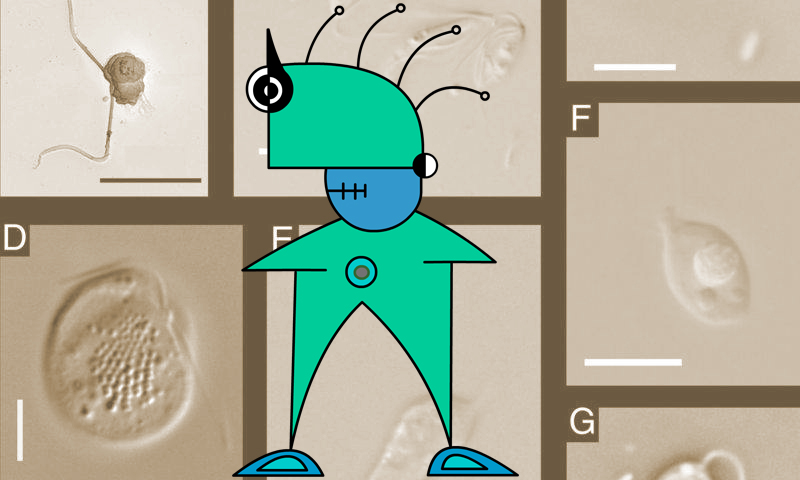
Representatives of deep eukaryotic lineages without published evidence for sex thus far. (A) Picomonas judraskeda (Picozoa). (B) Andalucia incarcerata and another, thus far undescribed jakobid (Jakobida). (C) Ancyromonas sigmoides …more

(Phys.org)—For a long time, biologists have considered sex to be an inherent trait of multicellular life, while microbial eukaryotes were considered to be either optionally sexual or purely clonal. From this perspective, clonality in eukaryotes is seen as exceptional. However, a group of researchers Europe and Canada have recently published a paper examining this broad distinction more closely, and have suggested that it appears to stem from an improper comparison of unicellular and multicellular species.

The paper, published in the Proceedings of the National Academy of Sciences, points out that in is simply clonal cell propagation among physically linked cells. “Hence,” the researchers write, “from the perspective of cell lineage, sex in multicellular organisms is as episodic as it is in facultatively sexual unicellular eukaryotes.” The authors’ emphatic conclusion is that “sex is a ubiquitous, ancient, and inherent attribute of eukaryotic life.”

Notably, the paper emphasizes that zoologists would be aghast at the absence of observed sex, while microbiologists are far more receptive to the lack of sex in protists. Many protist groups, including ciliates and green algae, propagate via sex, but direct observation of those processes is lacking for the vast majority. Indeed, there are entire lineages of protists for which no evidence of sex processes exists. However, the authors screened scientific literature to find individual “signs of sex” in eukaryotic lineages, including physical observation of cell fusion or nuclear fusion, genetic evidence of meiosis or recombination, or changes in ploidy levels over the life cycle.

Among the individuals screened, Jakobida, Glaucophyta, and Malawaimonadida—putatively asexual eukaryotes— were all found to contain genes involved in gamete fusion and/or . The authors suggest that sex among unicellular eukaryotes is likely to be far more common than currently believed, and the lack of evidence of sexual propagation attributable to the difficulty of microbiological observation. Highlighting this difficulty, they point out a famous example of a particular type of algae with two morphologically different stages, which had been wrongly considered to be two separate species. What we don’t know about protist life forms still vastly outweighs what we’ve discovered. “…(W)e still have a tendency to underestimate how widespread sexual practices are in the different eukaryotic groups,” the authors write.

Further, genome sequencing now supports the fundamentally sexual nature of eukaryotes. The authors cite numerous examples of putatively asexual eukaryotes found to express genetic traits associated with sex propagation. Giardia intestinalis was assumed to be asexual until genomic inspection revealed allelic differences indicative of sex. “The list of eukaryotic species that lack strong direct evidence for meiotic sex, but that seem sexual, as suggested by the presence of these meiosis-associated genes, is growing longer and longer,” the authors write.

There are numerous adaptive benefits to sex: It creates genetic variation, repairs DNA breaks, and prevents the accumulation of disadvantageous mutations. Sexual reproduction is also associated with species survival during adverse periods. Because of these advantages, the authors suggest, even asexual species overwhelmingly retain the option for meiotic sex propagation, even despite some of the disadvantages of sex for protists.

The paper goes on to speculate on the possibility that the evolution of meiotic sex was a defensive response to DNA-damaging effects of reactive oxygen species, and considers the possible influence of endosymbiotic organisms like chloroplasts and mitochondria on the evolution of sex.

Explore further: Researchers Present New Sex Evolution Theory

More information: “Sex is a ubiquitous, ancient, and inherent attribute of eukaryotic life.” PNAS 2015 112 (29) 8827-8834; published ahead of print July 21, 2015, DOI: 10.1073/pnas.1501725112

Abstract
Sexual reproduction and clonality in eukaryotes are mostly seen as exclusive, the latter being rather exceptional. This view might be biased by focusing almost exclusively on metazoans. We analyze and discuss reproduction in the context of extant eukaryotic diversity, paying special attention to protists. We present results of phylogenetically extended searches for homologs of two proteins functioning in cell and nuclear fusion, respectively (HAP2 and GEX1), providing indirect evidence for these processes in several eukaryotic lineages where sex has not been observed yet. We argue that (i) the debate on the relative significance of sex and clonality in eukaryotes is confounded by not appropriately distinguishing multicellular and unicellular organisms; (ii) eukaryotic sex is extremely widespread and already present in the last eukaryotic common ancestor; and (iii) the general mode of existence of eukaryotes is best described by clonally propagating cell lines with episodic sex triggered by external or internal clues. However, important questions concern the relative longevity of true clonal species (i.e., species not able to return to sexual procreation anymore). Long-lived clonal species seem strikingly rare. We analyze their properties in the light of meiotic sex development from existing prokaryotic repair mechanisms. Based on these considerations, we speculate that eukaryotic sex likely developed as a cellular survival strategy, possibly in the context of internal reactive oxygen species stress generated by a (proto) mitochondrion. Thus, in the context of the symbiogenic model of eukaryotic origin, sex might directly result from the very evolutionary mode by which eukaryotic cells arose.

Read more at: http://phys.org/news/2015-07-sex-eukaryotes-common-believed.html#jCp

So:Me i,NNo:Cu.OuS Mi,Cro.OrgANiss:Ms W.E CaRR-Y Can,. A.FFE.Kt Be.HA_VioR . AnD, . Cog.Ni:ti.On

algae

Sou:RCe 

Algae in Your Throat? Scientists Discover Algae Virus in Humans

Some people harboring the virus have subtle changes in cognitive function
Release Date: October 27, 2014

FAST FACTS:

  • Scientists have discovered that some healthy people carry in their throats a green algae virus previously thought to be non-infectious to humans.
  • The virus may cause subtle cognitive changes in some.
  • The study highlights the potential of otherwise innocuous organisms to affect physiologic functions without causing outright disease.
Robert Yolken, M.D.
Robert Yolken, M.D.
Credit: Johns Hopkins Medicine

Scientists from Johns Hopkins and the University of Nebraska have discovered an algae virus never before seen in the throats of healthy people that may subtly alter a range of cognitive functions including visual processing and spatial orientation in those who harbor it. A report on the team’s findings is published online Oct. 27 in Proceedings of the National Academy of Science.

The discovery casts in a new light a class of viruses that has been thus far deemed non-infectious to humans, underscoring the ability of certain microorganisms to trigger delicate physiologic changes without causing full-blown disease, the researchers say.

“This is a striking example showing that the ‘innocuous’ microorganisms we carry can affect behavior and cognition,” says lead investigator Robert Yolken, M.D., a virologist and pediatric infectious disease specialist at the Johns Hopkins Children’s Center and director of the Stanley Neurovirology Laboratory at Johns Hopkins. “Many physiological differences between person A and person B are encoded in the set of genes each inherits from parents, yet some of these differences are fueled by the various microorganisms we harbor and the way they interact with our genes.”

People’s bodies are colonized by trillions of bacteria, viruses and fungi, a constellation of organisms whose functions are largely unknown and collectively make up the so-called human microbiome. Many are presumed harmless, while others, such asLactobacillus acidophilus, are known to have clear benefits for human health. The findings of the new research suggest some may also affect human health in less obvious and not entirely benign ways.

In addition, the study provides a rare proof of a biologic phenomenon known as viral jumping, which typically occurs when viruses cross over from one species to another — think avian and swine flu — but is rarely seen across biologic kingdoms.

Yolken and colleagues stumbled upon the algae virus unexpectedly while analyzing the microbial population of the throats of healthy humans for a non-related study. Investigators obtained throat swabs and performed DNA analysis designed to detect the genetic footprints of viruses and bacteria. To their surprise, the researchers say, they discovered DNA matching that of Acanthocystis turfacea Chlorella virus 1, or ATCV-1, known to infect green algae. Green algae include more than 7,000 water-dwelling organisms that resemble plants but belong to a separate biologic kingdom. They are commonly found in aquatic environments like ponds, lakes and the ocean.

Forty of 92 participants in the study tested positive for the algae virus. The group that harbored the virus performed worse overall on a set of tasks to measure the speed and accuracy of visual processing. While their performance was not drastically poorer, it was measurably lower, the researchers say. For example, people who harbored the virus scored, on average, nearly nine points lower on a test that measured how quickly they could draw a line between sequentially numbered circles on a piece of paper. Viral carriers also scored seven points lower, on average, on tests measuring attention.

To further elucidate the effects of the virus, the investigators infected a group of mice and analyzed their performance on a set of tests designed to measure the rodent equivalent of human cognitive function. Animals infected with the virus exhibited deficits similar to those observed in humans. Infected animals had worse recognition memory and spatial orientation than uninfected mice. For example, they had a harder time finding their way around a maze, failing to recognize a new entry that was previously inaccessible. In addition, infected animals were less likely to pay attention to a new object, spending nearly 30 percent less time exploring it than uninfected mice, a finding that suggest shorter attention span and greater distractibility. The researchers caution that drawing direct links between mice and humans can be reductive but, they say, the parallels observed in the study were rather striking.

“The similarity of our findings in mice and humans underscores the common mechanisms that many microbes use to affect cognitive function in both animals and people,” says co-investigator Mikhail Pletnikov, M.D., Ph.D., director of the Behavioral Neurobiology and Neuroimmunology Laboratory at Johns Hopkins. “This commonality is precisely what allows us to study the pathologies that these microorganisms fuel and do so in a controlled systematic way.”

Analysis of brain samples from virus-infected mice revealed changes in the expression of multiple genes found in the hippocampus, the part of the brain that sorts and catalogues short-term and long-term memories and guides spatial orientation. Some of these alterations involved genes that regulate brain response to dopamine — a neurotransmitter affecting a wide range of neurologic and cognitive functions — as well as genes involved in immune cell regulation. The finding of multiple gene involvement suggests numeous mechanisms that may explain some of the effects observed in the study, the researchers say. The investigators, however, caution that their findings require in-depth follow-up to clarify the effects of the virus on human cognition and the exact mechanisms that precipitate them.

The new findings come on the heels of several recent studies showing that microbes can play an important role in the genesis of neurologic, cognitive and mental health disorders. For example, Yolken and others have previously shown that infection with the cat-borne parasite Toxoplasma gondii can alter behavior in genetically predisposed people — an illustrative example of the often synergistic role that genes and environment can play in human disease.

James Van Etten of the University of Nebraska is an expert on algal viruses and was senior author on the paper. Other researchers from the University of Nebraska included David Dunigan, James Gurnon, Fangrui Ma and Irina Agarkova.

Other Johns Hopkins investigators included Lorraine Jones-Brando, Geetha Kannan, Emily Severance, Sarven Subunciyan, C. Conover Talbot Jr., Emese Prandovszky, Flora Leister, Kristen Gressitt, Ou Chen and Bryan Deuber.

Faith Dickerson of Sheppard Pratt Health System in Baltimore was also a co-investigator.

The research was funded by the Stanley Medical Research Institute, the National Science Foundation and the National Center for Research Resources, part of the National Institutes of Health, under grant number P20-RR15635.