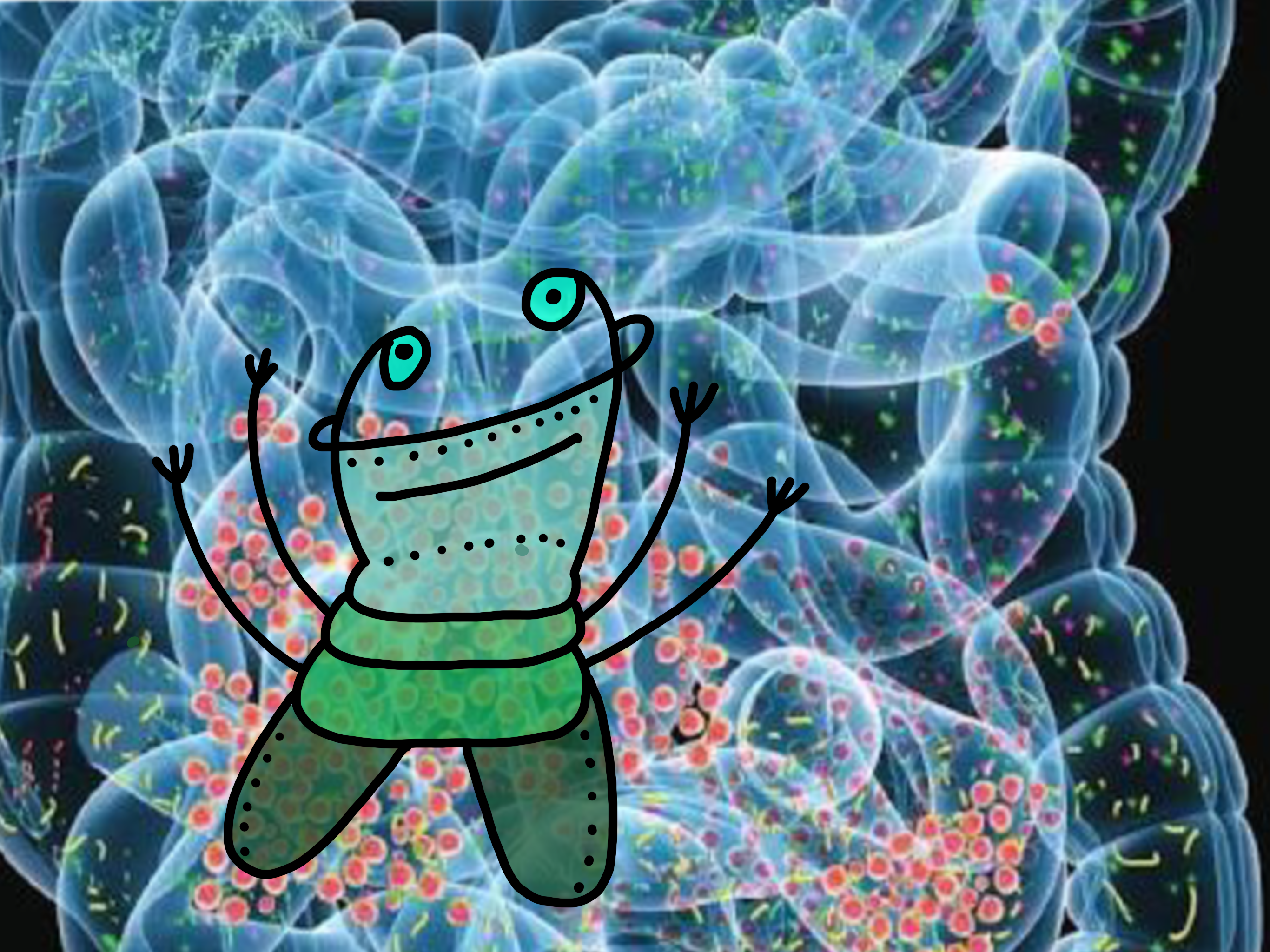
MorFogénesis Espontánea

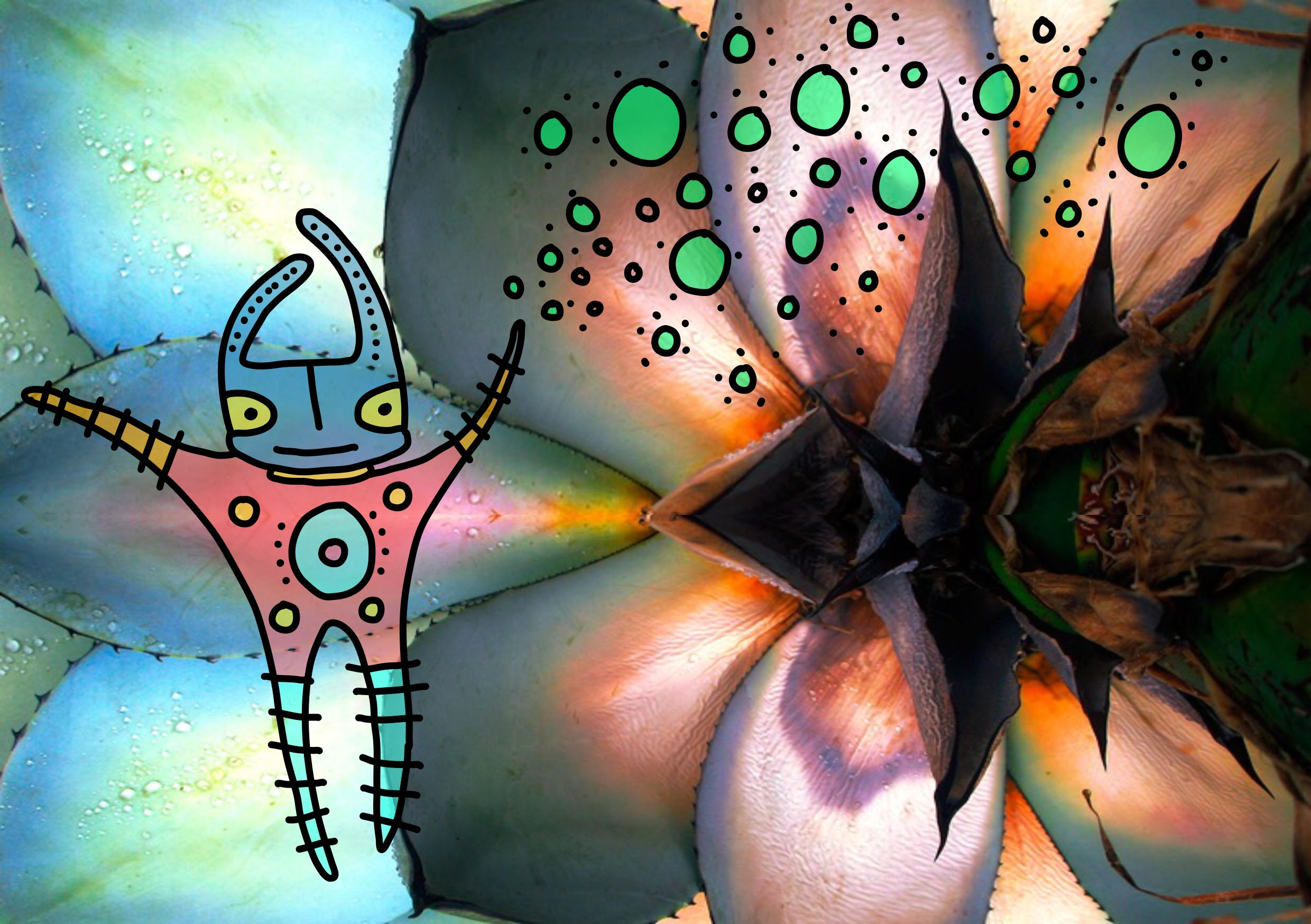
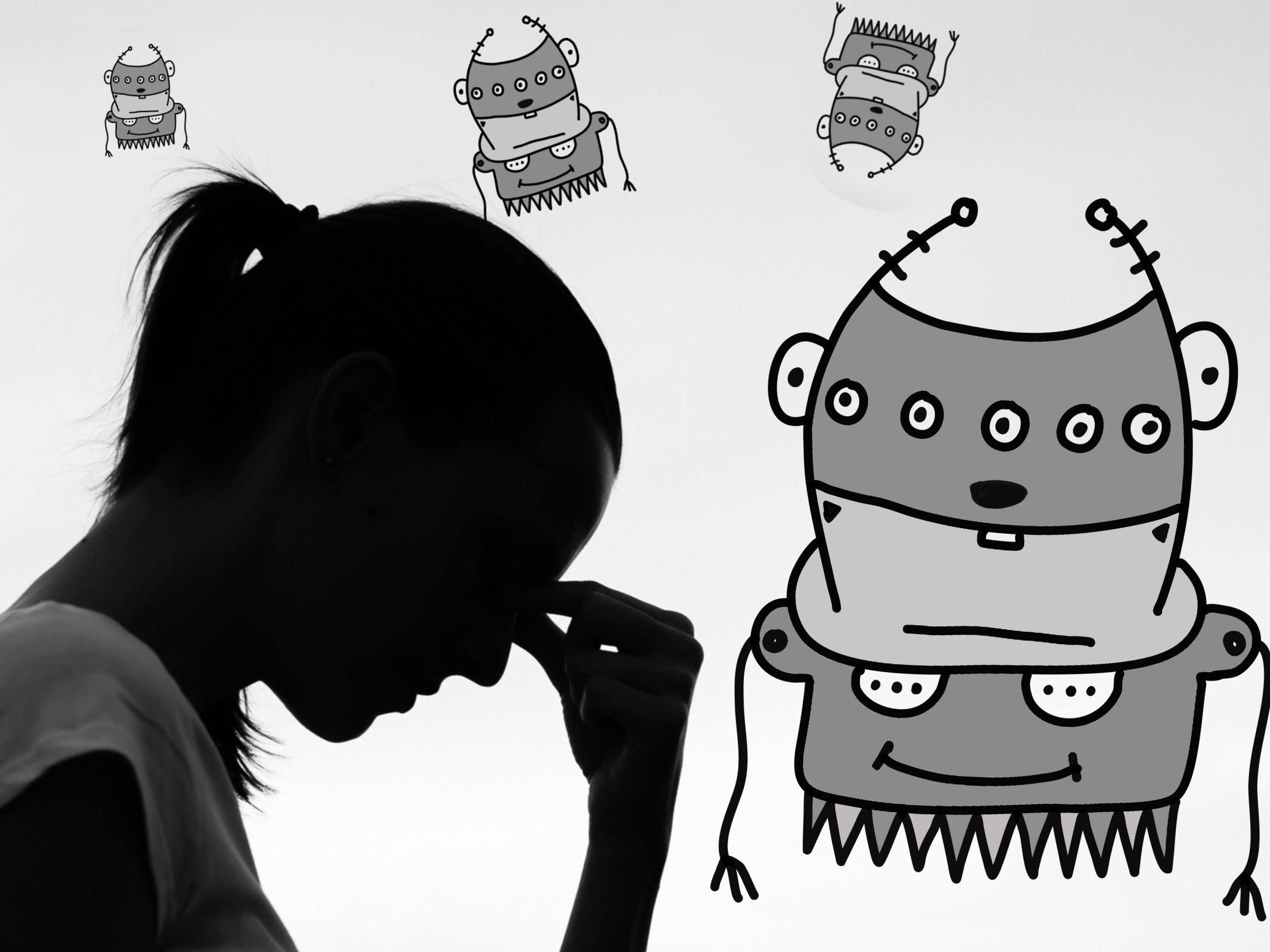
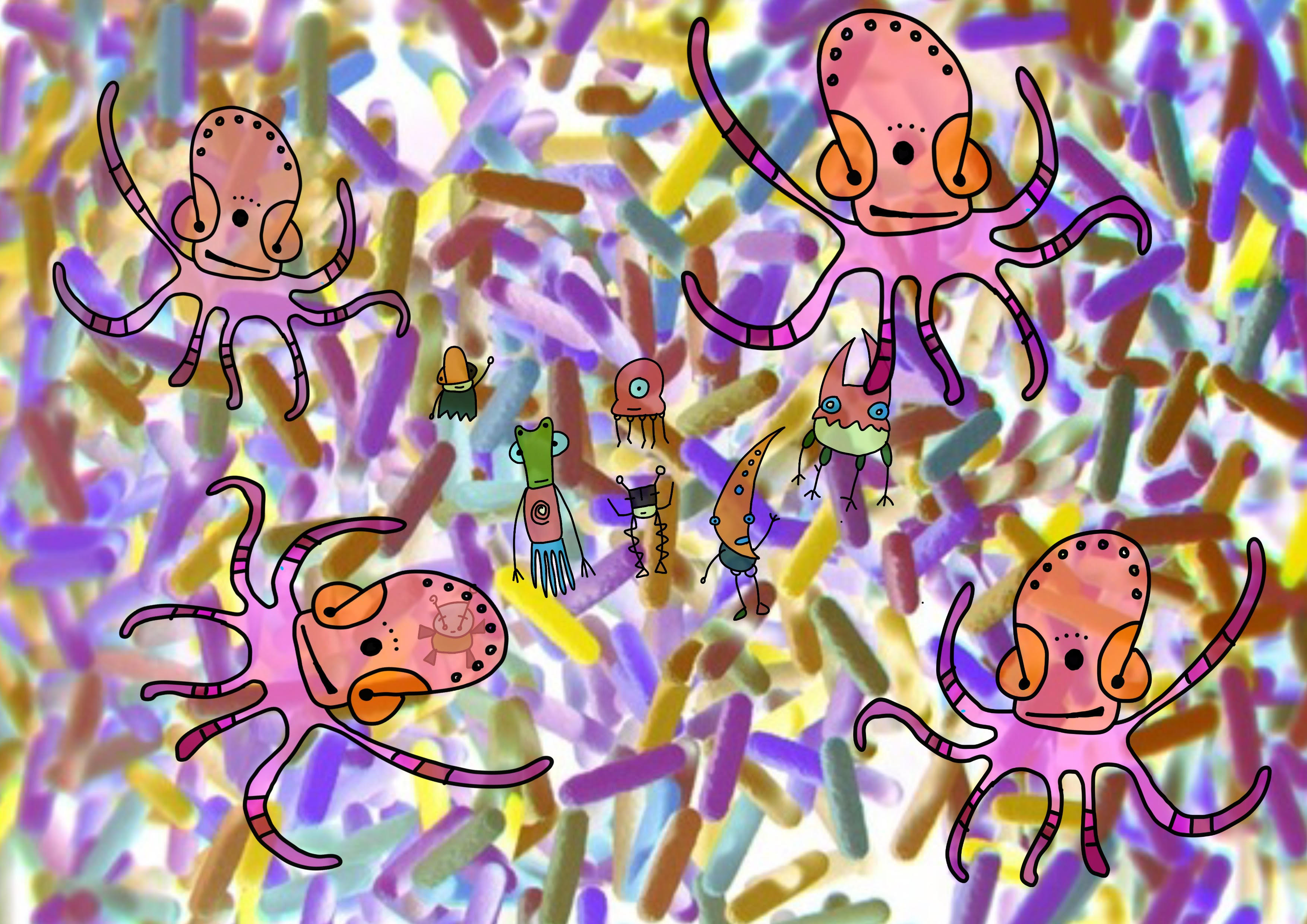
Es una especulación experimental sobre la multiplicidad, la endosimbiosis, el hologenoma, la conciencia y el proceso creativo de la forma en la poiesis.  Un experimento sobre dibujo automático, generativo y expandido, iniciado por arcangelo constantini en 1997, cuando desarrolló un “ neuro algoritmo”, que emplea como proceso creativo para dibujar organismos antropomórficos improvisados, cada dibujo que realiza es único e irrepetible, surge espontáneamente  en el momento del trazo y no es preconcebido antes del acto del dibujo. Un algoritmo en el que un punto se transforma en una línea y de un flujo de trazos libres surge un organismo único, idea sugerente a el Punto y la línea en el plano de Kandisnky 

La generación espontánea de la vida era una antigua teoría aristotélica  en que planteaban que la vida podría surgir de manera espontánea de compuestos inorgánicos. 

A este experimento de dibujo automático lo llamó  ¨ MorFogénesis Espontánea ¨, más que la generación espontánea de la vida, es la de la forma, como referente de la vida, la que se genera en esta práctica de dibujo expandido. 

Las Bacterias y  las Archae son organismo unicelulares, simples y básicos de la familia de las procariotas,  que en procesos evolutivos mutualistas y simbióticos dieron origen a las eucariotas, originando los organismos multicelulares que evolucionaron a todas las formas y estructuras biológicas que han existido en el planeta

De formas simples, surgieron las formas complejas.  El organismo humano tiene origen en esta sopa primordial y vive en endosimbiosis con las bacterias, ya que la microbiota forma parte fundamental de los procesos metabólicos, de la salud, y las  emociones. En realidad somos más bacteria que humanos, ya que estas son más numerosas que las células de nuestro cuerpo, una multiplicidad de diversos organismos forma nuestra microbiota sin ellos no podríamos vivir.

La hipótesis del Hologenoma menciona que son más de 8 millones los genes contenidos en el cuerpo humano , de los cuales solo 27,000 son humanos, una inmensidad de información que de igual manera evolucionó interrelacionadose con nuestra especie 

El acto de dibujar bakteria, es liberar a la conciencia directa del proceso del dibujo, es dejar fluir al trazo y liberarlo a la espontaneidad,  es meditar sobre la endosimbiosis, sobre los microorganismos que habitan el cuerpo, sobre las complejas relaciones metabólicas, sobre el hologenoma, sobre la multiplicidad, sobre la conciencia y el origen del “YO” y el Ego. 

Las bacterias son organismos unicelulares simples con un código genético complejo 

Sin entrar en trance pero como un médium, al dibujarlas sufren una mutación extrema, una especie de entrecruzamiento genético, de organismos simples se antropoformisan a entidades complejas, tomando una personalidad específica, pasan de un estado onírico a un medio concreto,  el papel, para luego emigrar en un proceso digital a la red. como sistemas interactivos visual sónicos, micro poéticos con la intención de ¨ infectar¨ la mente de los usuarios .

La Morfología es tanto el estudio de las formas y estructuras biológicas como las del diseño humano, de la misma manera en lingüística estudia la estructura de las palabras. 

En el movimiento dadaísta de la posguerra, liderados por el poeta Andre Breton, desarrollaron la escritura automática, como un proceso poético en el que liberan al consciente y dejan fluir al subconsciente en la escritura de textos que toman coherencia posterior al acto.

Desde que empezó a dibujar bakteria, de forma inusual y empírica cada una que dibuja está asociada a palabras que sufren una mutación léxica, estas palabra de manera simultánea al dibujo son espontáneas y surgen en el momento del trazo. 

Una área del cerebro controla el neuroalgortimo de dibujo generativo mientras otra esta activa con el lenguaje 

Bakteria estructura a el lenguaje escrito como un organismo que evoluciona, muta , cambia y se transforma, con el advenimiento de los sistemas computacionales, un arsenal de caracteres ascii  como símbolos del alfabeto fonético internacional, están en disposición de usarse para infectar la gramática y complejizar y estetizar la lectura de manera Morfo Poética 

Al trazar bakteria, libera al subconsciente en el acto poético de nombrarlas, usando dos palabras incontextas con las que posteriormente construye un poema . Durante el dadaísmo surgió la escritura automática, para explorar la poiesis del subconsciente artístico. 

Cada palabra es Infectada gramaticalmente, explorando el código ASCII de los sistemas computacionales, para generar un acto estético y fonético. Correlacionado con el flujo del trazo generativo y la personalidad del individuo que emerge  

La serie de Re_CiKLaDo es un ejercicio diario de publicación en línea, Dibujo la bakteria sobre papel reciclado, escribo dos palabras que parecen carecer de relación, escaneo cada dibujo y lo coloreo de manera digital, antes de publicarla en red realizó una investigación semántica de cada palabra con las que nombre a la bakteria  y construyó un micropoema experimental irreverente de lenguaje transgredido, que contextualiza la relación y el sentido de las palabras con las que nombre a la bakteria en su momento. 

Bakteria.org forma parte de una práctica continua desde 1997, en un inicio bakteria habitaba en el repositiorio de net art  unosunosyunosceros.com un sistema que especula sobre la percepción del espacio y los aspectos tangibles e intangibles de la realidad, con experimentos visual sonoros especulativos sobre tres estados de percepción. Onirico-Concreto-Digital,  La percepción de la mente en el entorno onírico , un espacio de subjetividad, el concreto como el objetivo y material, y la nueva materialidad de los entornos digitales.

Bakteria.org es fundamental en este experimento continuo de especulación sobre la realidad, un proceso que empieza en el entorno onírico (derivado de los procesos biológicos) que aterriza a un medio  concreto ( el papel ) para derivarse en sistemas interactivos digitales ( la red ) e infectar por medio de la interacción la mente de los usuarios ( onírico ) regresando al flujo original e inicial del proyecto.

A la fecha son miles de bakteria dibujadas, mediante distintos procesos estéticos,  estáticos y dinamicos, sonoros e interactivos son publicadas en red manteniendo el espíritu de horizontalidad del medio. 

En la actualidad se está dando una investigación exponencial sobre la microbiota, muy importante por los alcances que tiene con la salud humana  y la conciencia. De manera paralela nos demuestra el estado de simbiosis de la vida, en el que no somos organismos aislados e independientes, si no que formamos parte de uno holos. Las neurociencias también están desarrollando una investigación muy importante para entender los procesos evolutivos de la conciencia y su relación con los microorganismos y el hologenoma 

El arte transdisciplinar y la especulación de la realidad son fundamentales en la comprensión de la realidad y la importancia de una interacción sana con el medioambiente. 

Bakteria.org este es un experimento continuo de 20 años sobre estados de percepción poéticos y neuro estetica. El proceso continúa y continuará indefinidamente 

La siguiente etapa es construir una taxonomía del universo de bakteria.org  y entender de manera más clara el neuro algoritmo de dibujo generativo y la morfogénesis espontanea 


Ãu/TisM and Th3. MîKrø/Bi:Øm3 : (in)Mu/NizÃ-TiøN. Wi>TH. bac>T3RiA.

Autism and the Microbiome: Immunization With Bacteria?
Microbiome7By Teresa Conrick

http://www.ageofautism.com/2016/06/autism-and-the-microbiome-immunization-with-bacteria.html

As more and more is unraveled about the MICROBIOME in health and disease, causes and of course treatments are going to be discussed. The big questions will hopefully concern prevention of diseases as well. I recently came upon an article that made me wonder what direction Microbiome research could take:

Immunization with bacteria promotes stress resilience, coping behaviors in mice, CU-Boulder study finds

Injections of the soil bacterium Mycobacterium vaccae (M. vaccae NCTC 11659) promote stress resilience and improve coping behaviors in mice, according to a new study led by the University of Colorado Boulder.

The researchers also found that M. vaccae prevented stress-induced colitis, a typical symptom of inflammatory bowel disease (IBD), suggesting that immunization with the bacteria may have a wide-ranging suite of health benefits.

The findings appear today in the journal Proceedings of the National Academy of Sciences

“The immunized mice responded with a more proactive behavioral coping response to stress, a strategy that has been associated with stress resilience in animals and humans,” said Christopher Lowry, an associate professor in the Department of Integrative Physiology at CU-Boulder and the senior author of the new research….

The immunized mice continued to show decreased levels of submissive behaviors one to two weeks after treatment. M. vaccae treatment reduced stress-induced colitis…

…The research underscores the importance of an organism’s microbiome in preventing and coping with inflammation-related diseases and psychiatric conditions…

…“An injection of M. vaccae is not designed to target a particular antigen the way a vaccine would, but instead activates the individual’s immunoregulatory responses to protect from inappropriate inflammation…

Well that’s interesting and could also make one wonder, could this be something for AUTISM? Maybe that’s what the authors are inferring here in the full study about “PREVENTION” .full:

Although not specifically addressed here, immunoregulatory approaches may also prove useful in prevention of neurodevelopmental and other somatic and neuropsychiatric disorders in which elevated inflammation contributes to disease vulnerability (84).

INAPPROPRIATE INFLAMMATION. That sure could be AUTISM as most research shows INFLAMMATION in the brain. The MICROBIOME has been shown to be very connected to the MICROGLIA in the BRAIN.

But the idea of immunization as a treatment for Autism may be hard to fathom as many parents witnessed their children regress into Autism after vaccination. Are VACCINATION and IMMUNIZATION much different? In this case though, it does appear to be almost an immunization antidote in a way, as these good bacteria seem to be a Superman, able to turn back time to when the Microbiome was unaltered, or maybe undamaged is a better word? For many it may be the word — IMMUNIZATION — that will just be a turn-off.

The bacteria mentioned here, Mycobacterium vacca, has other ways it can enter the body – This study is from 2010 and is similar to the study from above —:

Mycobacterium vaccae is a natural soil bacterium which people likely ingest or breathe in when they spend time in nature,

…We found that mice that were fed live M. vaccae navigated the maze twice as fast and with less demonstrated anxiety behaviors as control mice…..

But, in that same study — immunization of M. vaccae enabled some NEURONS to grow — Previous research studies on M. vaccae showed that heat-killed bacteria injected into mice stimulated growth of some neurons in the brain that resulted in increased levels of serotonin and decreased anxiety. Again, a very similar study.

So did the bacteria stimulate the growth of neurons? It sounds, according to the study, that it is possible and almost like a way to help the MICROBIOME of many but maybe especially those who show symptoms related to:

INFLAMMATION
stress-induced colitis , a typical symptom of inflammatory bowel disease (IBD)
preventing and coping with inflammation-related diseases and psychiatric conditions
modulating the immune system
For many, this describes both the medical and subsequent behavioral signs of Autism.

Ironically, as I was typing this out, a kind reader from here at Age of Autism, sent me a few emails that seemed related. We are blessed to have a steady “family” of fans and supporters who follow us:

Hi Teresa,

I have a 13 year old with Autism and PANDAS. A few months ago my daughter’s biomed doctor put her on Ortho Molecular Products “Ortho Biotic 100 Million CFU.” We are seeing changes in her and I noticed the other day on the side of the box it says “broad spectrum proven strains restore the natural diversity of the microbiome.”

… this new probiotic seems to be doing something. She went to the zoo yesterday with her school and so I asked her what she saw there. Usually when you ask her a question her answer is “good,” but she looked up at me and said “elephant” with no delay and good eye contact.

I thought maybe it would help your daughter.

….Oh also, my daughter is a red head with blue eyes.

Well, I thanked her very much for her support and thoughtfulness (Thank you again, Sandy! ), and for any that don’t know, my daughter, Megan, is red-headed with blue eyes. Knowing other are with us on our journey in helping our ill and affected children is a comfort to say the least.

Her mention of Ortho Molecular’s “Ortho Biotic 100 Million CFU” got me reading up on this product with with much interest, and with the above studies still in my brain:

Ortho Biotic 100 is a high-dose probiotic delivering 100 billion active cultures for cases of gastrointestinal (GI) and immune distress. Going beyond the threshold of traditional probiotic support, high-dose probiotics influence GI health and immunity in ways lower-dose probiotics cannot. Shown to activate over 1,700 genes involved in immune and inflammatory signaling, high-dose probiotics improve immune function, strengthen the gut-immune barrier, and promote inflammatory balance.

Enhances Immune System Function
Strengthens the Gut-Immune Barrier
Promotes Inflammatory Balance
Supports Digestion and Micronutrient Absorption
Maintains Gastrointestinal Health
Well, it looks very promising. I am not endorsing it or the above immunization method but just want to show that treatments to change the Microbiome into a healthier state are increasing.

As you can ascertain, there are related studies and treatments on the Microbiome, and Autism is hopefully going to benefit immensely by them. Checking them out is important and the mode of delivery seems an appropriate research area. We might also walk away from this seeing that immunizations can alter the Microbiome. In this situation, we see benefit but could it also be true that immunization could do the opposite, as in well-baby visits?

Teresa Conrick is Contributing Editor to Age of Autism.

Posted by Age of Autism on June 07, 2016 at 06:00 AM in Teresa Conrick | Permalink | Comments (13)

Comments
Feed You can follow this conversation by subscribing to the comment feed for this post.

Jeannette Bishop
In case the study discussed below has not already been referenced (apologies if I missed it) and in the event it might be relevant:

https://www.sciencedaily.com/releases/2016/05/160519130105.htm

“Antibiotics that kill gut bacteria also stop growth of new brain cells”

Summary:
Antibiotics strong enough to kill off gut bacteria can also stop the growth of new brain cells in the hippocampus, a section of the brain associated with memory, reports a new study in mice. Researchers also uncovered a clue to why — a type of white blood cell seems to act as a communicator between the brain, the immune system, and the gut.

Posted by: Jeannette Bishop | June 13, 2016 at 11:29 PM

Benedetta
The video is called “Immune system dysregulation”

Posted by: Benedetta | June 13, 2016 at 10:53 PM

Benedetta
Dr. Susan Humphries has a video on research she put together on dead parts of microbes vs live microbes/viruses.

Apparently dead part of microbes causes the immune system more problems, unable to fight off other diseases, and higher mortality rate.

https://www.facebook.com/VaxXed/?fref=nf

I don’t know if the above link I gave will get any one that is interested to her site or not.

Live turns on Th 1 and dead turns the Th2 immune system.
Posted by: Benedetta | June 13, 2016 at 10:51 PM

Betty Bona
I do think they are on to something here, but I shudder at how the implementation of the new knowledge may actually cause even more damage. I don’t want another “immunization”! How about supplementing our topsoil with this soil bacteria and refraining from pesticides that kill this bacteria so that we get the bacteria we need in the way we were intended to get it – through our food. This also gives me even more hope for the product, Restore. It doesn’t have the soil bacteria in it, but it has the byproducts of ancient soil bacteria. The byproducts act as communication messengers. What were all these ancient bacteria, and can we replenish our soil with them? This research is exciting, but I don’t like the use of just one bacteria, and I don’t like the introduction through such a non-natural route. The way money controls everything in the healthcare field, I predict a vaccination for all with this bacteria, and I predict more harm will be done than good.

Posted by: Betty Bona | June 13, 2016 at 11:54 AM

Benedetta
All vaccines is basically dead bacteria or parts or even just the toxoid the bacteria produce; unless it is some live weakened virus.

That is how the whole vaccine theory is suppose to work isn’t it?
The immune system is then presented with these antigens and gets ready for the next time if the real bacteria, or virus comes along. Maybe it don’t work that way at all but teaches tolerance?

“Stabilizing the gut microbiome”

The only thing we can take from this study is that introducing antigens through the skin – effects the GI.

Jeannette Bishop is probably right – how do we know what the researchers were noticing in mice behavior; was it aggression, or really less anxious.

Posted by: Benedetta | June 09, 2016 at 07:57 AM

Benedetta
Snake charmers – taking a bit of snake venom – builds a tolerance to the cobra vaccine.

Tolerance of the body – not immunity against it.

Posted by: Benedetta | June 09, 2016 at 12:06 AM

Benedetta
Thank You very much Teresa for looking this up and putting it under the comments.

I have thought on this all day as I was driving, I was just amazed because every thing I was taught and observed, any live bacteria will cause inflammation when it by passes the gut. So, it makes better sense that it is dead.

But you know I am still amazed that dead bacteria does all this. What is going on? Does something happen to the immune system when it sees dead bacteria cycling out of the body into the lymph and GI track, and then does what?

Ahhhh; The only thing I can think of that I have ran across that is similar to this is allergy shots. And I have never understood how that works. How is it that allergens like bee sting venom and pollen from trees, and grass could be injected into the body and it helps with allergies.

And I will tell you all this – it does work- cause I and my two kids took allergy shots for years.
Now I look back at that and think how could I be so trusting of that allergy doctor. He was from Cambodia – a very sweet man, but he had a lab full of people mixing up what he ordered. and giving these in the form of shots.

My kids’ peds did not like him — In that case – I did like him. And by the way our hay fever; improved dramatically. The allergy shots though did make us at times feel nauseous. The stomach again!

zonnulin – is part of our immune system inside our gut, that is our own -Something must be going on in the lymph that suddenly makes the stomach microbe become altered.

Thanks for this article. Some thing to be stored in our memories. I think this is going to be important.

There is a lot here we don’t know

Posted by: Benedetta | June 08, 2016 at 08:04 PM

Jeannette Bishop
I’m not sure I understand what researchers are doing here…if they are injecting what is believed to be healthy mice not under stress (which I always wonder about in laboratory conditions) with dead bacteria, maybe to get the immune system into a state of alert(?), and they show better or more “pro-active” stress coping behavior…is this demonstrating that the immune system determines the injection is not something to mount an infection (or partial infection) response to (not like a vaccination with adjuvant) but still responds to the stress(? injection of something) another way that affects physiology?

Doesn’t this possibly demonstrate that vaccination can increase aggression and alter neurological physiology (along with other affects from the vaccine components)?

Posted by: Jeannette Bishop | June 08, 2016 at 12:23 PM

Teresa Conrick
Hi Benedetta,

Thanks for your interest and question. No, I saw that the bacteria was heated — “Treatment of mice with a heat-killed preparation of an immunoregulatory environmental microorganism, Mycobacterium vaccae” in the recent study and also in the 2010 study — “Previous research studies on M. vaccae showed that heat-killed bacteria injected into mice stimulated growth of some neurons in the brain that resulted in increased levels of serotonin and decreased anxiety.”

Here’s the full text of the 2016 study– http://www.pnas.org/content/113/22/E3130.full

some highlights:

– orally administered probiotics with immunoregulatory and antiinflammatory properties have been shown to induce anxiolytic and antidepressant-like effects in animal models (6, 16). It remains unclear whether these beneficial effects of probiotics are due to their ability to prevent stress-induced decreases in microbial diversity, their immunoregulatory effects, or both.

– Previous studies have demonstrated that probiotics can have antiinflammatory effects in rodent models of chronic inflammation, including colitis, following either mucosal or subcutaneous administration (19, 20), and in some cases these effects are observed using heat-killed preparations (20). Subcutaneous injections of heat-killed preparations of immunoregulatory bacteria may have some advantages, including long-term”

– “If inadequate immunoregulation and subsequent chronic low-grade inflammation are risk factors for development of stress-related psychiatric disorders, pretreatment with an immunoregulatory agent would be expected to be protective. ”

– M. vaccae is an abundant soil saprophyte, a microorganism that lives on dead or decaying organic matter, with immunoregulatory properties (22). A heat-killed preparation of the organism modulates dendritic cell function (23) and induces Treg and secretion of antiinflammatory cytokines, including IL-10 and transforming growth factor β (22).

– We assessed stress coping behaviors of M. vaccae- or vehicle-immunized mice during 2 h of CSC exposure on days 1, 8, and 15, effects of preimmunization with M. vaccae on CSC-induced changes in the gut microbiome on days –21, –14, –7, 1, 8, and 15, anxiety-like behavior on the elevated plus-maze (EPM) on day 19, and pathophysiology on day 20.

– these data demonstrate that immunization with M. vaccae induced a long-lasting shift toward a more proactive coping response (27), characterized by decreased submissive, flight, and avoiding behaviors, during chronic psychosocial stress that, based on previous studies in rodents and humans, may decrease vulnerability to the development of more persistent anxiety- and depressive-like symptoms (24, 25).

– M. vaccae administration has persistent effects on brain serotonergic systems and microglial density in the brain. ……….immunization with M. vaccae selectively increased microglial density in the prelimbic part of the medial prefrontal cortex

– M. vaccae immunization had a stabilizing effect on the gut microbiota throughout the study, consistent with recent studies demonstrating that host adaptive immunity modulates the gut microbiota (40). In line with these findings, multiple linear regression showed that 11% of the variation in the gut microbiota was explained by the histological damage score in the colon, reflecting intestinal immune activation.

– In conclusion, these data suggest that exposure to environmental microorganisms, administration of probiotics with immunoregulatory actions, or immunoregulation-promoting immunizations with heat-killed preparations of these organisms or antigens derived from these organisms may confer health benefits, including mental health benefits

Posted by: Teresa Conrick | June 08, 2016 at 10:50 AM

Benedetta
So Jenny;
You think that the bacteria that was injected into the mouse by passing the gut might have it’s own immune system to keep the body from reacting to it? Parasites do do that. Older parasites that have been around a long time – older the better – evolves not to do harm to the host.

Maybe that is the case of this certain type of bacteria given directly to this mouse?

The next question I would want answered – would there be a danger of getting too much of a good thing?

Posted by: Benedetta | June 08, 2016 at 09:55 AM

Jenny
So, this touches on something that was niggling in the back of my head several weeks ago after a different post here along the same lines.

I think all living things have survival mechanisms, i.e. immune systems. They all have to survive environmental exposures, including exposures to other living things such as other bacteria, viruses, fungus, etc.

Lifespans/cellular division – astronomical different between humans and bacteria.
It’s decades between a human splits off and creates another human, passing on immunities that they may have developed over the first decade or two or three of their lives. And those immunities were formed from exposures.

What is the average time it takes for bacteria to procreate/split, passing on the immunities they develop from their environmental exposures? Seconds, minutes, hours? Certainly not decades.

If breast milk contains immunities to pass on, and didn’t someone have a patent out there on the idea about injecting cows (udders), who then developed immunities to what was injected, and using the resulting milk as a “natural vaccine/immune protection,” why couldn’t probiotics act in the same way?

Hypothetically, couldn’t that explain natural attenuation, i.e. it could be why plagues never last, they naturally end at some point. Didn’t someone point out that strep throat isn’t necessarily treated with antibiotics in the U.K. anymore because it just doesn’t cause the dreaded scarlet fever associated side effects anymore over there? For example, if South American natives were wiped out by small pox or measles or whatever it was, and other diseases when the Spanish originally showed up there, what if they had all been able to import some kind of Spanish kombucha first? Would they have still been wiped out? If the measles vaccines has never been introduced, would anybody still be showing signs of it when exposed to it?

Would sauerkraut grown in an Ebola exposed geographical area or a Ziki area offer beneficial immunological protection against an unexposed population on the other side of the world?
Posted by: Jenny | June 08, 2016 at 07:17 AM

Benedetta
I mean live — and fully healthy – bacteria into the muscles and by passing the gut?
Posted by: Benedetta | June 07, 2016 at 11:04 PM

Benedetta
Teresa; Was your understanding – that they were injecting live – bacteria -into a mouse?
Posted by: Benedetta | June 07, 2016 at 10:18 AM

Post a comment
Comments are moderated, and will not appear until the author has approved them.

Comment below or sign in with Typepad Facebook TwitterGoogle+and more…

(You can use HTML tags like <b> <i> and <ul> to style your text. URLs automatically linked.)

Your Information

(Name and email address are required. Email address will not be displayed with the comment.)


Donate
To Send a Check
Payable to Autism Age PO Box 110546 Trumbull, CT 06611
Donations are Tax Deductible, Safe & Secure.
Recent Comments
Sandy Lunoe on Sweden Votes Down Mandatory Vaccination
Morag on The End of Journalism: A Book Review of The Smear By Sharyl Attkisson
Mark Wax on The End of Journalism: A Book Review of The Smear By Sharyl Attkisson
AnneS on The End of Journalism: A Book Review of The Smear By Sharyl Attkisson
bob moffit on The End of Journalism: A Book Review of The Smear By Sharyl Attkisson
Grace Green on Ten Minutes to Wapner – The OCD of Autism
will on Autism GI Pain: New Research Shows Significance
will on Where Have all the Young Men Gone? Long Time Passing.
kws on Where Have all the Young Men Gone? Long Time Passing.
Shelley Tzorfas on Where Have all the Young Men Gone? Long Time Passing.
Support Our Sponsors
HC Logo 2014
Canary final logo


Safeminds 2014 Logo
Vaccine-Autism Link
The One-Pager
Skyhorse Publishing
Jennifer Laviano: Your Special Education Rights: What Your School District Isn’t Telling You

Richard Moskowitz MD: Vaccines: A Reappraisal

Mark Blaxill: Denial: How Refusing to Face the Facts about Our Autism Epidemic Hurts Children, Families, and Our Future

Dara Berger: How to Prevent Autism: Expert Advice from Medical Professionals

James Lyons-Weiler: The Environmental and Genetic Causes of Autism

Wayne Rohde: The Vaccine Court: The Dark Truth of America’s Vaccine Injury Compensation Program

Mark Blaxill: Vaccines 2.0: The Careful Parent’s Guide to Making Safe Vaccination Choices for Your Family

Julie Obradovic: An Unfortunate Coincidence: A Mother’s Life inside the Autism Controversy

Contributors
Dan Olmsted, Founder 2007 – 2017
Kim Rossi, Managing Editor
Mark Blaxill, Editor-At-Large
Anne McElroy Dachel, Media Editor
John Stone, UK Editor
Nancy Hokkanen, Contributing Editor
Julie Obradovic, Contributing Editor
Teresa Conrick, Contributing Editor
Katie Wright, Contributing Editor
Cathy Jameson, Contributing Editor
Natalie Palumbo, Contributing Editor
Dan Burns, Contributing Editor
Adriana Gamondes, Contributing Editor
Tim Welsh, Contributing Editor
Do You Read Me?
The Autism File Magazine
Dan’s UPI Series “The Age of Autism”
The Age of Polio. Explosion.
Connect

Shop Amazon Support AofA

Books
Suggested reading
Search
Find over 6,000 archived articles since 2007
Google

WWW
ageofautism.com

Age of Autism • Powered by Typepad
Top

MiKRo.ORga_NizMoz 3N Be-Bi)Daz Fer:Men/Ta/DAz D3L A-GA)vE

Por Génesis Gatica Porcayo

Ciudad de México. 23 de septiembre de 2016 (Agencia Informativa Conacyt).- México es el país que tiene el mayor número de especies de agave en el mundo, ya que cuenta con 75 por ciento de los ejemplares existentes, de acuerdo con el investigador Rubén Moreno Terrazas. La presencia del agave es considerada como un símbolo de la cultura, tradiciones y costumbres de la nación, del que se tiene un registro aproximado de 165 a 200 especies en el país.

Desde tiempos prehispánicos, el uso del agave en México se ha caracterizado por la producción de bebidas que hoy son consideradas tradicionales, como el pulque o el mezcal, incluido el tequila. Pero, ¿qué microorganismos están presentes en los procesos de fermentación de las bebidas de agave?

Ante la necesidad de conocer más acerca de los microorganismos que están presentes en estos procesos, se busca identificar los organismos clave con el objetivo de estudiarlos y controlarlos para obtener una mejor producción de bebidas a nivel industrial.

En entrevista para la Agencia Informativa Conacyt, el doctor Rubén Moreno Terrazas, investigador del Departamento de Ingeniería y Ciencias Químicas de la Universidad Iberoamericana (UIA), explicó las razones por las que el protocolo en el que se encuentra trabajando, en colaboración con otras instituciones como la Universidad Nacional Autónoma de México (UNAM) y el Centro de Investigación y Asistencia en Tecnología y Diseño del Estado de Jalisco (Ciatej), permitirá conocer con mayor detalle las características y tratamiento posterior de los microorganismos.

Importancia de analizar la microbiota

Según Rubén Moreno Terrazas, esta planta es un recurso natural que ha sido explotado por muchos años no solo para la producción de bebidas, sino también para consumo medicinal o alimenticio, por lo tanto es considerado un instrumento importante de investigación para saber más de sus propiedades y de los fenómenos que rodean su aprovechamiento.

En función del grado de fermentación es la evolución de la microbiota, en el que las bacterias lácticas disminuyen el pH y acidifican el producto para dar paso a las levaduras, que son las encargadas de producir el alcohol. Las levaduras incrementan su presencia en este proceso y, a medida que hay una mayor producción de alcohol, las bacterias lácticas disminuyen, por lo que el producto final puede dañarse si el proceso de fermentación se deja por más tiempo del debido.e acuerdo con el investigador, el término microbiota hace referencia a todos aquellos microorganismos que participarán en los procesos de transformación de las materias primas, en este caso del agave, para la elaboración de diferentes bebidas destiladas y no destiladas.

“A través de proyectos anteriores habíamos visto que existe una gran cantidad de microorganismos presentes a lo largo de la fermentación en productos como pulque o mezcal”, declaró el investigador, afirmando que, con los diversos estudios en esta especie de planta a través del tiempo, han mejorado los sistemas de identificación y taxonomía de los diferentes microorganismos.

Han hecho aislamientos de diversas especies de microorganismos presentes, que de alguna manera inciden en los procesos de transformación que dan las características a las bebidas de agave destiladas y no destiladas y han buscado ver qué posibilidades de aprovechamiento tienen fuera del ambiente del que se aislaron.

Estudiando otros usos

Con el estudio de la microbiota se pretende no solamente conocer de ella, sino se busca aprender a controlarla para tener otros usos, como poseer el conocimiento necesario para manejarlos en su lugar de producción, así como conservarlos en laboratorios con el objetivo de tener reservas a manera de banco de especies que intervienen en los procesos de fermentación de las bebidas.

“Nuestra idea es hacer una descripción a lo largo de todos los procesos y observar cómo van modificándose las poblaciones a través de toda la fermentación”, explicó además que es importante saber la influencia de la variedad de poblaciones en los cambios en las materias primas y en las características del producto final.

Los resultados más relevantes que este tipo de proyectos ha dado, además de observar el papel de los microorganismos, las sustancias que producen y los cambios que presentan a lo largo de la fermentación, es que se ha visto que hay bacterias con capacidad probiótica, sobre todo en bebidas como el pulque, lo que permitirá crear nuevas alternativas para la atención a la salud.

A través de AgaRed, un sistema de aprovechamiento y promoción de las bondades del agave, se está buscando conjuntar a todos aquellos investigadores alrededor del país que enfocan sus proyectos en el estudio de los usos y propiedades de este recurso, como el uso del pulque para elaborar pan en el estado de Coahuila, por ejemplo.

La idea de este tipo de proyectos de investigación y divulgación es dar a conocer al público lo que se está haciendo con el aprovechamiento de esta planta que, además de identificar las bacterias que pueden mejorar la calidad de las bebidas fermentadas, se puede comprobar que existen otros usos a nivel de salud y alimentación.


Dr. Rubén Moreno Terrazas
Departamento de Ingeniería y Ciencias Químicas
Universidad Iberoamericana

5950 4000 ext. 4062
ruben.moreno@ibero.mx

PsY:ChO Bio[tiKs] GuT Bio”MaKer/S aNd The/ FuTuRe Of _ MEnThaL CaRe

The past five years have been an especially rapid time of discovery, thanks to scientists studying the gut microbiota and how it influences the gut-brain axis—the two-way communication channel between the digestive tract and the brain. Not only are links being made between gut microbiota composition and conditions like depression and anxiety, but the gut also shows potential for revealing new approaches to diagnosis and treatment of brain-related disorders.

Jane A. Foster, associate professor at the Department of Psychiatry & Behavioural Neurosciences of McMaster University (Canada), has zeroed in on the gut microbiota and its metabolites in her study of the relationship between body and brain. She and other scientists are on a quest to find parameters in the gut that could tell them something about the brain—especially when it comes to addressing mental health.

Foster says, “What we’re looking at is the signalling systems that might go between the bacteria in the gut and the brain, because in the long run we want to know if biomarkers that we can look at outside the brain might give us indications of what’s happening in the central nervous system.”

“We have studies going on both in mice and in people,” she explains. “In the people we’re interested in getting a blood test, or a urine marker that we can use as a marker to help determine: how can we clean up some of the heterogeneity in mental illness by sub-typing people into better groups so that we can apply the correct treatment?”

This would mean, for instance, from the large and diverse group of people currently categorized as having depression, it might be possible to identify smaller groups with something biologically in common. This ‘precision medicine’ approach could involve directing people toward more effective treatments. Foster gives an example of how it could play out: “Somebody comes into their doctor’s office and the doctor can do a blood test or [brain imaging] that would identify the best approach for that individual—whether it be [a drug], neural stimulation, cognitive behavioural therapy—among all the choices for depressed patients.”

At the same time, Foster and other scientists are looking to realize the development of new mental health treatments that leverage the gut microbiome, called “psychobiotics”.

The term psychobiotic was introduced by Irish scientists in 2013 and originally referred to a subset of probiotics that could produce a health benefit in those with psychiatric illness. Foster says, “People like the term—it makes them think about it, and that’s a good thing.” She supports a recent proposal by the same Irish scientists to expand the definition of psychobiotics beyond probiotics, to include prebiotics and other means of influencing the microbiome for the benefit of mental health.

Certain probiotics are leading contenders in the category of psychobiotics, according to Foster. For example, probiotics were associated with a reduction in depressive symptoms, especially for those aged 60 or younger, in a review of multiple studies on probiotics for depression; moreover, some species of probiotics appeared to reduce both depression and anxiety in another review of multiple studies.

Psychobiotic treatments need more study in humans, especially when it comes to understanding how the biology works—but they could be a reality sooner than some people think, says Foster. “Some products are readily available and they’re being applied to clinical trials,” she notes. “They’re easy to apply to clinical populations. Even if it’s an adjunctive treatment.”

Understandings of mental health may change rapidly in the years ahead as we come to grasp new therapeutic approaches enabled by this gut-brain work. “It’s one of the fastest moving areas I’ve ever seen,” Foster says. “The ideas that we’ve generated in the mouse, the fact that clinical people are talking about them immediately has never been seen before.”

Kristina Campbell

Kristina Campbell
Science writer Kristina Campbell (M.Sc.), from British Columbia (Canada), specializes in communicating about the gut microbiota, digestive health, and nutrition. Author of the best selling Well-Fed Microbiome Cookbook, her freelance work has appeared in publications around the world. Kristina joined the Gut Microbiota for Health publishing team in 2014.  Find her on:Google • Twitter

A Traü>Ma/Tik 3x.PeriènCe CÅN R3:ShÅPė YöÛR. Mi>KròBîo/ME


By Susie Neilson

www.huffingtonpost.com/entry/a-traumatic-experience-can-reshape-your-microbiome_us_5931ce80e4b062a6ac0acfad


I’m not disputing the scientific soundness of the whole brain-gut connection, but it really does sound a little bit like something out of a science-fiction story. I mean, you’re telling me that the trillions of tiny organisms that live in my gut, chomping up my food for me and maintaining my digestive system, have an impact on what I think and do and say? That the content of my thoughts might be at least partially determined by the eggs I had for breakfast, or the vitamin C I haven’t consumed enough of? It boggles the mind (at least, a mind influenced by my microbiome, fueled almost exclusively by Sour Patch Kids).


Strange as it may seem, though, it’s also a case of our science finally catching up to our idioms. Without realizing it, we’ve been talking about the link between brain and gut for a long time: Ever had a gut-wrenching car ride, or a gut instinct about someone, or butterflies in your stomach? In less colorful terms, the stomach and the mind really do talk to one another; in one study, for example, tentative mice that received gut bacteria transplants from braver ones became more fearless, exploring a maze with less hesitation. So strong is the microbiome’s impact that some have deemed it the “second brain.” And recently, a team of researchers found that our guts may harbor evidence of difficult life experiences many years after the fact, changing everything from how we digest food to how we process stress. In fact, these changes in our “second brain” may substantially alter the structure of our first, creating a feedback loop between the two.

For the study, published last month in the journal Microbiome, the authors analyzed the microbiomes of a group of students with irritable bowel syndrome, or IBS, a fairly common chronic condition marked by pain in the stomach, gas, and indigestion. (Though there are ways to manage IBS, many of which involve reducing stress, we don’t know what causes the syndrome.) They did the same for a control group of healthy volunteers, and also collected brain scans, stool samples, and behavioral and biographical information from participants in both categories.

The results were startling: Across the board, those in the IBS group were far more likely to exhibit anxiety and depression. When the researchers further divided IBS-afflicted subjects into two smaller groups — those with a microbiome undistinguishable from that of a healthy control, and those with noticeable differences — they found that the subgroup with different microbiomes also had more history of early life trauma, and their IBS symptoms lasted longer. “It is possible,” the authors wrote, “that the signals the gut and its microbes get from the brain of an individual with a history of childhood trauma may lead to lifelong changes in the gut microbiome.”

It’s also possible — or even probable — that the relationship isn’t uni-directional. The researchers noticed that the people with altered microbiomes had differently shaped brains, too, suggesting that the impacted gut may have doubled back and impacted certain brain regions — though they noted in the study that they don’t have enough information to be sure that’s the case, and cautioned against leaping to conclusions. Even more than the science of the gut on its own, the science of what how it affects the brain is still in its infancy; rather than arriving at any firm conclusions, this study is meant to open up the field more, laying a foundation for future researchers to build on.

If it’s true that the gut influences the brain just as the brain impacts the gut, though, then these findings may have tremendous implications for both mental and physical health. It might be a stretch to say that anxiety meds could one day be supplemented with kombucha, but it’s not too wild to imagine a future where treating ailments of the mind also involves treating the digestive system, or vice versa (already, some people are using talk therapy to ease IBS). For now, it can’t hurt to remember the connection between the two, and do everything in your power to live a life that gives you peace of mind — because it’ll give you peace of stomach, too.

Vi.Tri_Ne Sub:JECti:Ve

Durante la próxima edición de la Nuit Blanche, el artista Arcángelo Constantini en colaboración con Rodrigo Sigal, Iracema de Andrade, Skot Deeming y Jorge Ramírez, presentarán bakteria.org Vi.Tri_NA Sub:JEti:Va. El proyecto multidisciplinario se basa en la improvisación y la presentación de procesos creativos en tiempo real, así como en la experimentación con nuevos medios y nuevas tecnologías.
Pour la prochaine edition de la Nuit Blanche, l’artist Arcangelo Constantini en collaboration avec Rodrigo Sigal, Iracema de Andrade, Skot Deeming et Jorge Ramírez, vous présenteront bakteria.org Vi.Tri_Ne Sub:JECti:Ve. Ce projet multidisciplinaire est basé sur improvisation et la présentation de processus de création en temps réel, ainsi que sur expérimentation de nouveaux médias et de nouvelles technologies.

For the next edition of the Nuit Blanche, the artist Arcangelo Constantini in collaboration with Rodrigo Sigal, Iracema de Andrade, Skot Deeming and Jorge Ramírez, will be presenting bakteria.org Sub:JECti:Ve Vi.Tri_Ne. The multidisciplinary project is based on improvisation and the presentation of creative processes in real time, as well as experimentation with new media and new techologies.

sTra,TöS,PHerik Mi.KRo.Bio,Mechä.Ni,KaL ,LiF3

13260184_10154169654258787_3736652362278489396_n


http://motherboard.vice.com/read/this-scientist-says-he-keeps-finding-aliens-in-the-stratosphere

Th-is Sci-en,ti,st SA.ys He Ke_eps Fin:ding Ali:ens (in) the Stra-to’sphere

Written by

JASON KOEBLER

It’s not easy convincing the world you’ve found aliens. But that’s what one British professor says he’s done, over and over again. His latest proof, he tells me, is his strongest yet. Should we take him seriously?

In fall of 2013, Milton Wainwright, a researcher at the University of Sheffield in the United Kingdom, made international headlines when he claimed that microorganisms he found in the stratosphere were not of this world. The organisms are believed to come from a class of algae called diatoms, were collected roughly 16 miles above the Earth’s surface using a balloon, and, according to Wainwright, have been raining down on the Earth, carried by meteorites, for perhaps many millennia.

The story goes something like this. Wainwright found these organisms 16 miles above Earth. He says that’s too high for any life from Earth to float in a jet stream, and he says the organisms are too heavy to get up that high without a recent volcanic blast. He says there were no recent blasts before the expedition, and, furthermore, the collection apparatus showed tiny divots in it, suggesting that these organisms hit the tin with some sort of speed. His conclusion, then, is that these organisms came from space.

“This we think is a deflated balloon-like biological entity. Perhaps when inflated, it aided flotation in the atmosphere or sea of another world,” Wainwright said. Image: Milton Wainwright

While the we-found-aliens headline played well among the tabloids of the world, Wainwright’s discovery was unceremoniously tossed aside by science journalists.

“The methodology was sloppy, the conclusions were not at all supported by the evidence, and heck,he hadn’t even established that the rocks they found were in fact meteorites!,” Slate’s Phil Plait wrote.

“All the time when you walk outside, you are being pelted with organisms that come from space”

Plait isn’t wrong—the original evidence was flimsy, and there was no shortage of scientists standing in line ready to say so. But few said he was outright wrong. Many who spoke out at the time said that, while there wasn’t enough evidence to call these things aliens, panspermia—the idea that alien life may regularly travel to Earth from space—isn’t entirely nuts.

Now, Wainwright has made another claim. He says he has found these organisms 25 miles above the Earth, that they test positive for DNA, and that they have masses that are “six times bigger than the size limit of a particle which can be elevated from Earth to this height, even following a violent volcanic eruption.”

Wainwright announced the find in an email to some of his students at Sheffield, who naturally, posted the thing on Reddit.

DNA-positive potential alien. Image: Milton Wainwright

So, I called Wainwright to hear what he has to say. Let’s make it clear now—I have no idea if Wainwright has, indeed, found aliens. His first paper was published in a somewhat dubious journal, and it certainly didn’t contain “extraordinary proof” of alien life, which is what one NASA scientist said he would need in order to take Wainwright’s claims seriously.

“These organisms are biological, have a definite structure, and are not related to organisms on Earth. We sent balloons and a sampler and found no pollen or grass, nothing up there to contaminate, it was completely pristine,” Wainwright told me. “There are impact events on the sampler. They make craters on the sampler—if they come up from Earth, they would be coming against gravity.”

“For these reasons, we think they are coming from space,” he added. “All the time when you walk outside, you are being pelted with organisms that come from space.”

Wainwright says his newest paper has been accepted in an “international astrobiology journal” but hasn’t said which one and hasn’t said when the new findings will be published. He seemed taken aback when I emailed him about it, and wasn’t quite ready to discuss the new findings, but agreed to talk because the email was already on the internet.

Wainwright’s students preparing a balloon to go to the stratosphere. Image: Milton Wainwright

Take this paragraph with many grains of salt. But, hypothetically, Wainwright’s discovery would fundamentally change much of what we know about the origins of life on Earth and about biology in general. He says comets could seed life throughout the universe, and could, in fact, be the origin of life altogether. He says that, instead of a continuous evolution from a couple cells millions of years ago, there could be many evolutionary trees. No common ancestor, just a bunch of different common ancestors that landed here at different times.

“When I ask why they don’t believe it, they say, ‘because it can’t be true'”

Wainwright says he knows how people talk about him and he knows that few believe him. But he’s still plodding along.

“NASA is going to have to show it for people to ultimately believe it,” Wainwright said. “If NASA printed it, people would believe it. All we can do is keep putting it out, keep publishing, hope someone will look into it. It seems unbelievable.”

The thing is, maybe NASA will do it. NASA has a nascent balloon science division, and it is increasingly doing experiments in the stratosphere. And scientists have long been interested in—and have reported finding—organisms in the stratosphere. But many of those discoveries have been ignored or attributed to contaminated rockets carrying life from Earth (and back down, where it is “discovered”).

In the meantime, Wainwright is continuing to send balloons into the atmosphere. He’s hoping to run some DNA tests in the future and wants his evidence to be as rock-solid as possible.

“All we can do is keep going, we’ve got another 10 launches going out,” he said. “I give these talks at meetings and no one tells us where we’re going wrong. When I ask why they don’t believe it, they say, ‘because it can’t be true.’ There’s been a lot of complete avoidance of the issues.”

On that, Wainwright isn’t quite right. Lots of scientists have said why they’re skeptical—they’ve posited how the microbes could reach that high, they’ve said what, specifically, they need to see before they believe it’s alien life (amino acids that are unlike those found on Earth). Without seeing his paper, it’s impossible to take his newest claim any more seriously than the first one.

But still, it seems likely that Wainwright has found something up there. No scientists or journalists have suggested that he’s lying about actually finding the organisms. And that, alone, is notable. Anything that manages to survive 25 miles above the Earth’s surface is surely worth further study.

v


PET PLàsTïK. PöLLuTiöN. mOLE,KUL.àR. bre!AKER.

13315545_10154171458953787_1360659719280017154_n

http://www.theguardian.com/environment/2016/mar/10/could-a-new-plastic-eating-bacteria-help-combat-this-pollution-scourge

Nature has begun to fight back against the vast piles of filth dumped into its soils, rivers and oceans by evolving a plastic-eating bacteria – the first known to science.

In a report published in the journal Science, a team of Japanese researchers described a species of bacteria that can break the molecular bonds of one of the world’s most-used plastics – polyethylene terephthalate, also known as PET or polyester.

The Japanese research team sifted through hundreds of samples of PET pollution before finding a colony of organisms using the plastic as a food source.

Further tests found the bacteria almost completely degraded low-quality plastic within six weeks. This was voracious when compared to other biological agents; including a related bacteria, leaf compost and a fungus enzyme recently found to have an appetite for PET.

“This is the first rigorous study – it appears to be very carefully done – that I have seen that shows plastic being hydrolyzed [broken down] by bacteria,” said Dr Tracy Mincer, a researcher at Woods Hole Oceanographic Institution.

The molecules that form PET are bonded very strongly, said Prof Uwe Bornscheuer in an accompanying comment piece in Science. “Until recently, no organisms were known to be able to decompose it.”

In a Gaian twist, initial genetic examination revealed the bacteria, namedIdeonella sakaiensis 201-F6, may have evolved enzymes specifically capable of breaking down PET in response to the accumulation of the plastic in the environment in the past 70 years.

Such rapid evolution was possible, said Enzo Palombo, a professor of microbiology at Swinburne University, given that microbes have an extraordinary ability to adapt to their surroundings. “If you put a bacteria in a situation where they’ve only got one food source to consume, over time they will adapt to do that,” he said.

“I think we are seeing how nature can surprise us and in the end the resiliency of nature itself,” added Mincer.

The bacteria took longer to eat away highly crystallised PET, which is used in plastic bottles. That means the enzymes and processes would need refinement before they could be useful for industrial recycling or pollution clean-up.

“It’s difficult to break down highly crystallised PET,” said Prof Kenji Miyamoto from Keio University, one of the authors of the study. “Our research results are just the initiation for the application. We have to work on so many issues needed for various applications. It takes a long time,” he said.

Electron microscope image of a degraded PET film surface after washing out adherent cells. The inset shows intact PET film.
 Electron microscope image of a degraded PET film surface after washing out adherent cells. The inset shows intact PET film. Photograph: Science Journal, Yoshida et. al.

A third of all plastics end up in the environment and 8m tonnes end up in the ocean every year, creating vast accumulations of life-choking rubbish.

PET makes up almost one-sixth of the world’s annual plastic production of 311m tons. Despite PET being one of the more commonly recycled plastics, the World Economic Forum (WEF) reports that only just over half is ever collected for recycling and far less actually ends up being reused.

Advances in biodegradable plastics and recycling offer hope for the future, said Bornscheuer, “but [this] does not help to get rid of the plastics already in the environment”.

However the potential applications of the discovery remain unclear. The most obvious use would be as a biological agent in nature, said Palombo. Bacteria could be sprayed on the huge floating trash heaps building up in the oceans. This method is most notably employed to combat oil spills.

This particular bacteria would not be useful for this process as it only consumes PET, which is too dense to float on water. But Bornscheuer said the discovery could open the door to the discovery or manufacture of biological agents able to break down other plastics.

Palombo said the discovery suggested that other bacteria may have already evolved to do this job and simply needed to be found.

“I would not be surprised if samples of ocean plastics contained microbes that are happily growing on this material and could be isolated in the same manner,” he said.

But Mincer said breaking down ocean rubbish came with dangers of its own.Plastics often contain additives that can be toxic when released. WEF estimates that the 150m tonnes of plastic currently in the ocean contain roughly 23m tonnes of additives.

“Plastic debris may have been less toxic in the whole unhydrolyzed form where it would ultimately have been buried in the sediments on a geological timescale,” said Mincer.

Beyond dealing with the plastic already fouling up the environment, the bacteria could potentially be used in industrial recycling processes.

“Certainly, the use of these microbes or enzymes could play a role in remediation of plastic in a controlled reactor,” said Mincer.

Miyamoto’s team suggested that the environmentally-benign constituents left behind by the bacteria could be the same ones from which the plastic is formed. If this were true and a process could be developed to isolate them, Bornscheuer said: “This could provide huge savings in the production of new polymer without the need for petrol-based starting materials.” According to the WEF, 6% of global oil production is devoted to the production of plastics.

But the plastics industry said the potential for a new biological process to replace or augment the current mechanical recycling process was very small.

“PET is 100% recyclable,” said Mike Neal, the chairman of the Committee of PET Manufacturers in Europe. “I expect that a biodegradation system would require a similar engineering process to chemical depolymerisation and as such is unlikely to be economically viable,” he said.